Shenzhen Wandanan Precision Technology Co., Ltd Info@szwandaancnc.com


Views: 0 Author: Site Editor Publish Time: 2026-05-25 Origin: Site


Frame material is often treated as a minor afterthought in HVAC and industrial procurement. However, standard cardboard or wood frames frequently fail under high ambient moisture, sustained mechanical pressure, or rigid cleanroom sanitation standards. A physically compromised frame leads directly to filter bypass. This renders even the highest-MERV filter media completely useless. It aggressively increases system load and potentially damages sensitive downstream equipment. You need reliable filtration housings to protect vital machinery and maintain pristine air quality consistently. This article provides an evidence-based framework for evaluating when you must upgrade to an aluminum-framed air dust filter. We will explore how to specify custom commercial builds without over-engineering your facility's solution. You will learn to navigate material choices, calculate structural requirements, and implement permanent filtration upgrades effectively.
Structural Integrity: Aluminum frames eliminate moisture warping and pressure-drop collapse, preventing costly filter bypass in high-velocity HVAC systems.
Lifecycle Economics: While upfront costs are higher, aluminum serves as a permanent, washable housing that lowers replacement frequency and reduces long-term operational expenditure.
Compliance & Cleanliness: Unlike wood or cardboard, aluminum does not shed particulate matter or harbor microbial growth, making it a prerequisite for cleanrooms and critical commercial environments.
Customization Flexibility: Aluminum can be precision-machined as a custom hardware part, allowing for exact tolerances in specialized machinery, server racks, and bespoke industrial applications.
Many facility managers overlook the external housing holding their filtration media. Standard disposable frames present serious structural vulnerabilities in demanding commercial environments. Cardboard acts like a sponge. It absorbs ambient humidity rapidly during seasonal changes. Wood frames warp or swell significantly when exposed to moisture. Plastic alternatives often lack the sheer rigidity needed for heavy industrial applications. As these standard materials degrade over time, they lose their structural integrity. They can even harbor dangerous microbial growth in damp conditions.
You must understand the mechanics of filter bypass. When a disposable frame warps, it creates microscopic gaps along the filter track. High-velocity air always takes the path of least resistance. These unsealed gaps allow unfiltered air to bypass the filter media entirely. This phenomenon defeats the entire purpose of your filtration system. Dust and microscopic debris flow directly into your ductwork. This contamination damages downstream equipment over time. It also completely invalidates strict cleanroom compliance standards.
We recommend identifying specific target applications where aluminum becomes non-negotiable. Heavy-duty environments require permanent, rigid solutions.
Industrial HVAC systems experiencing high airflow velocity.
High-humidity environments prone to internal condensation.
Cleanrooms requiring absolute particulate control under ISO standards.
Heavy-duty dust collection systems processing large, abrasive debris.
Standard residential setups rarely need this elevated level of rigidity. However, commercial operations rely on robust frameworks. They must maintain continuous operation without unexpected mechanical failures. A common mistake is deploying standard residential-grade filters inside high-capacity commercial blowers. The intense suction easily crushes cardboard frames within days.
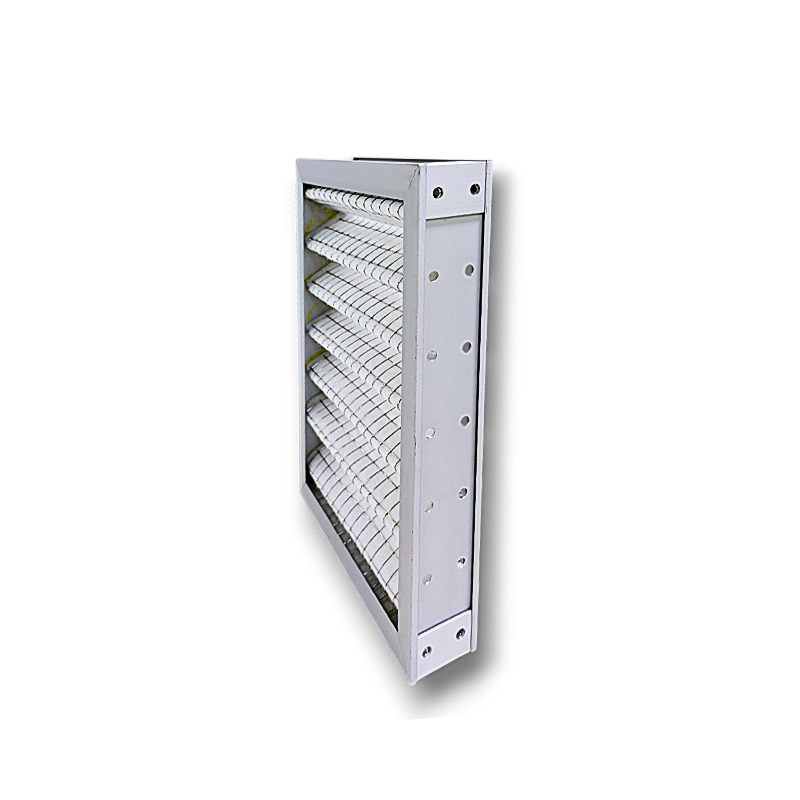
Engineers must weigh several structural factors when selecting filtration housing. Aluminum alloys offer an exceptional strength-to-weight ratio. They provide highly rigid structural support. Importantly, they do this without adding excessive dead weight to your existing infrastructure. This balance makes handling and installation much safer for your maintenance personnel.
| Frame Material | Weight Profile | Durability Rating | Moisture Resistance |
|---|---|---|---|
| Cardboard | Very Light | Low | Poor (Absorbs Water) |
| Wood / Particle Board | Moderate | Moderate | Low (Swells & Splinters) |
| Extruded Aluminum | Light to Moderate | High | Excellent (Anti-Corrosive) |
| Stainless Steel | Heavy | Very High | Excellent |
Cleanroom environments demand absolute regulatory compliance. Aluminum excels here because it effectively eliminates shedding risks. Wood fibers naturally break down over time. Cardboard generates its own particulate dust through friction. Anodized aluminum resists corrosion flawlessly. It easily withstands rigorous chemical washdowns. This guarantees your facility meets stringent commercial sanitation standards reliably.
You must also carefully evaluate media compatibility. Aluminum frames interface seamlessly with highly diverse filtration media. They secure pleated cotton, advanced HEPA layers, or woven aluminum mesh perfectly. The rigid metal housing anchors the internal media firmly. This prevents the delicate filter material from bowing or collapsing backward. High airflow velocity frequently destroys unsupported filter layers.
Industrial filtration always involves a critical technical trade-off. You want to optimize total dust capture rates. However, you must actively avoid creating unacceptable static pressure drops. High air resistance severely chokes exhaust fans. It strains HVAC blowers and causes premature motor burnout. We measure this resistance in inches of water gauge. You need a frame minimizing this metric.
Aluminum provides superior structural support for airflow management. Its inherent rigidity allows engineers to design tighter edge sealing. You can specify significantly thinner structural support grids inside the frame. Thinner grids maximize the active surface area available for air intake. More exposed surface area directly translates into better fluid dynamics. Thick wooden frames often block the outer edges of the filter media. This wastes valuable filtration capacity.
Standard off-the-shelf dimensions frequently cause severe airflow obstruction. You solve this by engineering the housing as a specialized custom hardware part. Niche electronics, high-end PC server builds, and bespoke manufacturing equipment require exact measurements. Customizing the housing ensures completely seamless integration. It prevents dangerous thermal bottlenecks in your complex management systems. Precision CNC machining guarantees every angle aligns perfectly with your specific intake vents.
Many procurement teams initially express skepticism regarding upgraded aluminum frameworks. Disposable alternatives seem structurally simpler at first glance. However, demanding industrial environments require guaranteed long-term operational stability. You cannot achieve this stability using fragile housing materials.
We must closely examine the washability and reusability of permanent air filtration frameworks. Aluminum acts as a robust, permanent fixture. You implement a highly predictable maintenance cycle. You stop constantly discarding entire filtration units. Maintenance teams simply extract and wash the frame. They replace only the inner disposable filter media. They retain the outer aluminum structure permanently. Fully metallic mesh variants even allow washing the entire assembled unit.
This systematic approach builds a highly robust efficiency framework for facility management.
Unit Longevity: The metal frame withstands years of continuous mechanical stress without deforming.
Waste Reduction: You drastically reduce the total volume of discarded cardboard housing materials sent to landfills.
Maintenance Labor: Staff follow streamlined, repeatable protocols for quickly swapping inner media layers.
System Efficiency: Rigid frames maintain optimal airflow patterns over time without bending under pressure.
A permanent aluminum structure ensures highly consistent physical performance. It eliminates the unpredictable operational fluctuations caused by rapidly degrading cardboard. Your technicians spend less time cleaning bypass dust out of ductwork. They spend more time optimizing actual machinery.
Deploying a specialized filtration framework requires meticulous upfront planning. Precise dimensional tolerances dictate the overall success of your installation. You must measure length, width, depth, and edge sealing requirements perfectly. Accurate sizing guarantees a secure zero-bypass installation. Even a one-millimeter gap actively compromises your entire cleanroom system.
Partnering with the right manufacturing facility is critical. When specifying a Custom Air Dust Filter, you must evaluate your supplier rigorously. Look for advanced multi-axis CNC machining capabilities. Verify their available aluminum alloy grades carefully. Request comprehensive media testing data upfront. Ensure they can scale production smoothly from initial prototypes to full bulk manufacturing.
We strongly recommend establishing strict installation and maintenance protocols early. You need comprehensive standard operating procedures (SOPs) for handling permanent filters.
| Step | Action Required | Purpose |
|---|---|---|
| 1. Extraction | Remove the frame slowly. | Prevents dislodging captured dust into the clean air stream. |
| 2. Media Removal | Detach internal clips and remove media. | Separates disposable media from the permanent frame. |
| 3. Wash Cycle | Clean aluminum with non-corrosive solvents. | Removes accumulated grime without damaging the metal finish. |
| 4. Drying Cycle | Air dry the frame completely. | Prevents moisture transfer to the new internal filter media. |
| 5. Reassembly | Secure new media and reinstall into duct. | Restores optimal system protection and continuous airflow. |
Clear, documented SOPs prevent accidental damage to internal media during routine service. They ensure every technician handles the aluminum frames correctly. This maximizes the operational lifespan of your custom filtration infrastructure.
Choosing an aluminum frame represents a serious commitment to system reliability and hygiene compliance. It transforms a fragile, routinely disposable component into a permanent structural asset. Your facility infrastructure benefits directly from optimized airflow dynamics. You completely eliminate the severe risks associated with cardboard filter bypass.
You must actively mitigate initial implementation risks. Precise structural measurements remain absolutely non-negotiable. Proper maintenance SOPs guarantee your permanent frames perform flawlessly over decades of service. Neglecting these procedural steps undermines the distinct durability aluminum naturally provides.
We encourage technical buyers to audit their current filter replacement cycles immediately. Identify specific HVAC zones where disposable frames routinely bend or fail. Reach out to qualified metal manufacturers today. Request detailed engineering spec sheets and order custom prototypes for aluminum solutions tailored specifically to your facility.
A: Yes, the aluminum frame itself is permanently washable. Whether you can wash the entire unit depends entirely on the internal filter media. Aluminum mesh media is fully washable and reusable. However, if your frame holds HEPA media or standard pleated cotton, you must carefully remove and replace the media before washing the outer aluminum housing.
A: An aluminum frame rarely increases pressure drop if sized properly. Its structural rigidity actually prevents the internal media from bowing or collapsing under high air velocity. By keeping the filter surface flat and perfectly stable, the frame maintains consistent airflow. It actively minimizes unpredictable pressure restrictions over time.
A: Aluminum provides the optimal middle ground for most industrial applications. It offers excellent corrosion resistance and rigid structural support without the heavy dead weight of stainless steel. It is also significantly easier to machine into precise custom shapes. Aluminum simplifies manual installation while remaining highly durable against harsh environmental stressors.
A: Yes, aluminum frames easily retrofit into existing commercial air handlers. However, you must perform precise dimensional checks before ordering. Because rigid aluminum does not flex or crush like cardboard, the measurements must be absolutely exact. Procuring custom-sized frames ensures a perfect seal and prevents harmful air bypass.


