Shenzhen Wandaan Precision Technology Co., Ltd Info@szwandaancnc.com


Views: 0 Author: Site Editor Publish Time: 2026-02-19 Origin: Site


When it comes to reducing CNC machining costs, many manufacturers believe that increasing precision always leads to higher expenses. However, this is a common misconception. By focusing on design optimization and smart planning before machining, companies can significantly lower production costs while maintaining high-quality standards. SZWANDAAN, a leading provider of precision CNC machining services, understands that design plays a critical role in the overall cost-effectiveness of CNC projects. This article offers ten practical tips to reduce CNC machining costs without compromising on quality.
Before diving into the cost-saving tips, it's important to understand the key factors that influence CNC machining costs. By focusing on these areas, designers can better manage production expenses.
Material choice plays a crucial role in determining the machining costs. Some materials are easier to machine than others, which means they require less time and fewer tools. For example, aluminum is relatively easy to machine compared to harder metals like titanium or stainless steel. Therefore, selecting materials that are easier to machine can help reduce costs significantly. It's also important to consider the material’s availability and pricing, as these can fluctuate based on supply and demand.
Tighter tolerances and more complex part designs can increase machining costs because they require more time, higher-skilled labor, and specialized tools. Each additional tolerance or feature added to a part can increase the complexity of the machining process, making it more costly. By loosening tolerances where possible and simplifying designs, companies can significantly reduce manufacturing expenses.
The amount of machine time required to complete a part directly impacts the cost of CNC machining. Longer machine times result in higher labor and equipment costs. Additionally, frequent tool changes or tool wear can increase costs due to the time spent on these adjustments. By designing parts that require fewer tool changes or longer tool life, manufacturers can optimize machine time and reduce costs.
Now that we've covered some essential CNC cost factors, let's dive into ten actionable design tips that can help reduce CNC machining costs.
Simplifying part geometry is one of the most effective ways to reduce CNC machining costs. The more complex the geometry, the longer it takes to machine, increasing labor and machine time. By designing parts with simpler shapes and fewer features, companies can reduce machining time and costs.
While some parts require tight tolerances for functionality, others can tolerate looser specifications. By loosening tolerances where precision isn't critical, manufacturers can cut down on production time and tool wear, ultimately reducing costs. Always assess which tolerances are essential for functionality and which can be relaxed.
Deep cavities are challenging to machine, often requiring special tooling and extended machining time. Avoiding deep cavities or reducing their depth can save both time and money. If deep cavities are necessary, consider other methods, such as casting, that may be more cost-effective.
Standardizing the size and type of holes and threads across multiple parts can help reduce machining time. CNC machines are equipped with preset toolpaths for standard sizes, which speeds up the process and minimizes tool changes. By using industry-standard hole sizes and thread types, companies can streamline production and lower costs.
Sharp corners on parts can increase tool wear and make machining more difficult, leading to higher costs. Designing parts with radiused or rounded corners can reduce the strain on cutting tools, improve tool life, and reduce machining time.
Symmetrical features are easier to machine and more cost-effective. By designing parts with symmetry, manufacturers can take advantage of CNC machine capabilities, allowing for faster and more efficient production. Symmetry reduces the need for additional adjustments and helps ensure consistent quality.
Combining operations can save time and reduce costs. For example, machining multiple features in a single operation or using a machine that performs both milling and turning can reduce the need for tool changes and part handling. When designing parts, consider opportunities to combine operations without sacrificing part quality.
As mentioned earlier, some materials are easier to machine than others. Choosing materials that are easier to machine, such as aluminum or plastics, can help lower production costs. Additionally, materials with fewer impurities or defects are easier to process and lead to less scrap material.
Many parts require a finishing process, such as polishing, anodizing, or plating, to meet aesthetic or functional requirements. However, unnecessary finishing steps can add significant costs to the manufacturing process. By designing parts that require minimal finishing, manufacturers can reduce costs while still meeting the functional and aesthetic requirements of the product.
Batch production is often more cost-effective than producing individual parts. By designing parts for batch production, manufacturers can optimize machine time and tooling costs. Batching parts together allows for setup efficiencies and reduces the overall per-part cost. When designing parts, consider whether they can be grouped into batches to maximize production efficiency.
Understanding the cost impact of various design features is essential for making cost-effective decisions during the design process. Here’s a table that summarizes some common design features and their impact on CNC machining costs:
Design Feature | Impact on Cost | Practical Alternative |
Deep blind holes | High | Shallower, fewer |
Tight tolerance ±0.005mm | High | Use ±0.02mm if okay |
Complex fillets | Moderate | Standard radius |
By understanding how specific design features impact costs, designers can make informed decisions that help reduce manufacturing expenses while maintaining the functionality and quality of the product.
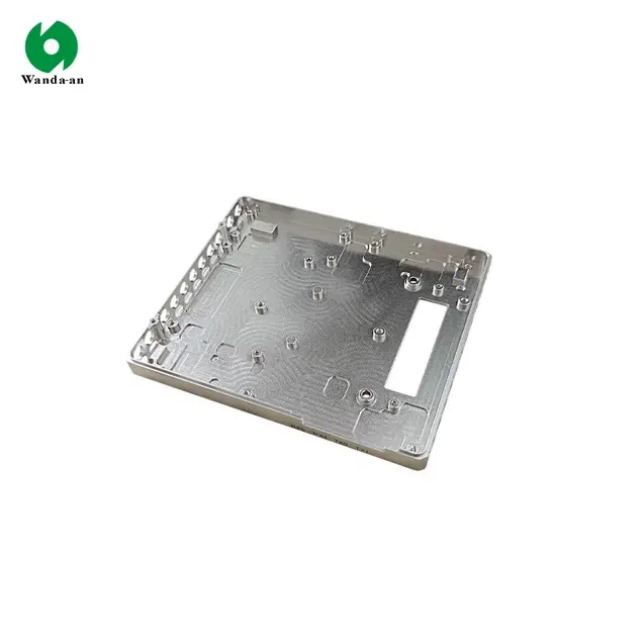
Design for Manufacturability (DFM) is a process that focuses on designing products that are easy and cost-effective to manufacture. By incorporating DFM principles early in the design phase, companies can reduce iterations and avoid costly design changes later in the process. DFM emphasizes collaboration between designers and machinists to identify potential issues before production begins, leading to more efficient designs and reduced costs.
By focusing on manufacturability early in the design process, designers can identify potential challenges and address them before production begins. This reduces the number of iterations and revisions required, ultimately saving time and money.
Effective collaboration between designers and machinists is key to successful DFM. Machinists have valuable insight into the capabilities and limitations of CNC machines, and by working closely with them, designers can create parts that are both functional and cost-effective to manufacture.
Let’s look at a real-world example of how optimizing design can lead to significant cost savings. Consider a project where the initial design required deep blind holes and tight tolerances, resulting in high machining costs. After revisiting the design, the team made several changes:
Simplified part geometry: The design was simplified to reduce machining complexity.
Loosened tolerances: Tolerances were relaxed where precision wasn't critical.
Minimized finishing: The need for additional finishing was eliminated.
As a result, the production costs were reduced by 30%, and the project was completed ahead of schedule. This example highlights how smart design decisions can lead to substantial savings without compromising on quality.
In conclusion, reducing CNC machining costs is achievable through thoughtful design decisions. By simplifying part geometry, loosening tolerances, and selecting materials that are easier to machine, designers can significantly reduce production costs. SZWANDAAN understands the importance of design optimization and provides cost-effective CNC machining solutions that don’t compromise on quality. By focusing on CNC design tips and working closely with engineers, manufacturers can streamline production, improve efficiency, and deliver high-quality products at lower costs.
If you're looking for high-quality, cost-effective CNC machining services, SZWANDAAN is here to help. Contact us today to learn more about how our precision machining solutions can meet your business needs.
Q1: How can simplifying part geometry reduce CNC machining costs?
A1: Simplifying part geometry reduces machining time and complexity, which lowers labor and tool wear costs, ultimately decreasing overall production costs.
Q2: What impact does loosening tolerances have on CNC machining costs?
A2: Loosening tolerances reduces the need for highly specialized tools and extended machining time, which can significantly cut down on production costs.
Q3: How does Design for Manufacturability (DFM) help reduce costs?
A3: DFM helps identify potential design issues early, which reduces the number of iterations, avoids costly changes during production, and results in a more efficient manufacturing process.
Q4: Can material selection impact the cost of CNC machining?
A4: Yes, selecting easier-to-machine materials like aluminum can lower machining time and tool wear, while harder materials like titanium can increase costs due to longer machining times and specialized tools.


