Shenzhen Wandaan Precision Technology Co., Ltd Info@szwandaancnc.com

- All
- Product Name
- Product Keyword
- Product Model
- Product Summary
- Product Description
- Multi Field Search
Please Choose Your Language


Views: 0 Author: Site Editor Publish Time: 2026-05-13 Origin: Site


Do HVAC systems require regular filter replacement? Yes, regular replacement is completely non-negotiable. Many homeowners mistakenly assume these disposable components primarily exist to improve indoor air quality for their families. We need to completely reframe this widespread assumption. The primary engineering purpose of an air dust filter is actually to protect expensive internal HVAC components. It vigorously defends sensitive blowers and internal heat exchangers from severe particulate damage. Ignoring this vital maintenance task carries massive mechanical stakes. It shifts your financial burden from a minor recurring purchase to massive mechanical repair bills. You will also experience severely wasted energy. In this comprehensive guide, you will learn exactly how dirt accumulation destroys internal system efficiency. We will explore how to set dynamic replacement timelines. You will also discover how to navigate confusing specifications and sizing requirements to effectively protect your valuable heating and cooling investment.
Machine Protection First: Filters primarily defend your HVAC's internal motors and coils; cleaner breathing air is a secondary benefit.
The Cost of Inaction: Clogged filters force systems into "short cycling," increasing energy consumption by 5-15% and risking $8,000+ full-system replacements.
Dynamic Timelines: The standard "90-day rule" is a baseline; 1-inch filters, pet ownership, and environmental factors (like wildfires) often necessitate 30-to-60-day replacement cycles.
Specifications Matter: A higher MERV rating is not universally better; it can restrict airflow and damage equipment if the system isn't rated for it.
Size Precision: Incorrectly sized filters allow debris bypass. Unique grilles may require a Custom Air Dust Filter to ensure an airtight seal.
We must first examine the fundamental physics of airflow restriction. Dirt accumulation creates a physical barrier across the intake pathway. This obstruction rapidly increases static pressure inside the ductwork. A clogged filter literally starves the blower motor of essential intake air. Consequently, the motor works exponentially harder to pull ambient air through the dense debris. This constant mechanical struggle accelerates internal wear and tears down the motor bearings.
Restricted airflow directly leads to a dangerous condition called short cycling. You can easily diagnose this specific mechanical failure. When intake air drops, the system cannot properly regulate internal temperatures. During winter, the furnace heat exchanger rapidly overheats. During summer, the air conditioner evaporator coil freezes into a solid block of ice. These extreme temperature spikes trigger built-in safety limit switches. They force the equipment to rapidly turn on and off. This rapid cycling destroys system longevity.
You must consider the severe financial threat of delayed maintenance. We can look at hard numbers to prove this reality. A clean replacement pays for itself entirely through improved energy efficiency. Department of Energy estimates show you can recoup $7 to $20 monthly in wasted electricity simply by restoring airflow. Compare the price of routine replacements against massive mechanical repairs. Average blower motor replacement costs range between $200 and $2,500. A neglected system can even trigger a complete $8,000+ system failure.
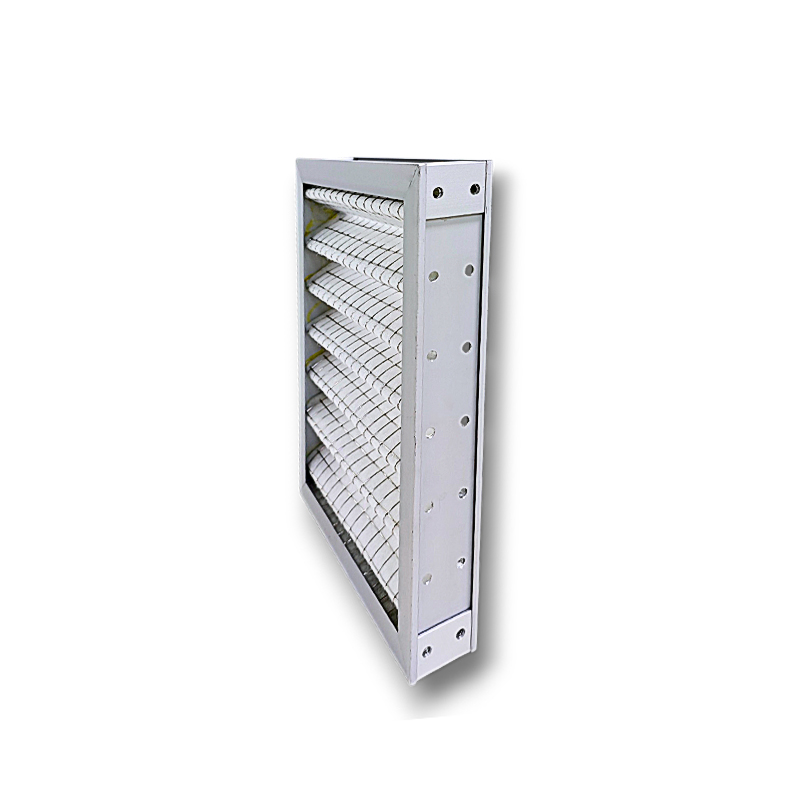
You need to move beyond the traditional calendar. Setting a fixed date for maintenance is a flawed strategy. Instead, you must evaluate lifespan based on actual equipment usage and localized environmental conditions. Your home acts as a unique ecosystem.
Filter thickness heavily dictates the required replacement frequency. Larger surface areas hold significantly more debris before restricting airflow. We have summarized these standard capacities below.
| Filter Thickness | Dust-Holding Capacity | Recommended Evaluation Cycle |
|---|---|---|
| 1-inch to 2-inch | Low (Fills up very quickly) | Evaluate every 30 to 60 days |
| 4-inch to 5-inch | Massive (Deep-pleated surface area) | Evaluate every 6 to 12 months |
Environmental stressors form your true seasonal calendar. High-load scenarios dramatically accelerate dirt accumulation. Peak summer cooling and peak winter heating require constant system runtime. Spring pollen storms or heavy indoor pet shedding also load the media rapidly. You must also watch for extreme edge cases. Wildfire smoke, nearby road construction, or active indoor fireplaces require weekly visual checks. They can ruin a fresh filter in mere days.
We highly recommend using objective testing methods. Do not guess when scheduling replacements.
The Light Test: Hold the used unit up to a bright overhead light or sunny window. If you cannot see visible light passing through the material, it is fully obstructed. Replace it immediately.
Advanced Diagnostics: Utilize a handheld digital airflow meter. Measure the air velocity at the return vent after installing a fresh unit. If future readings show a 20% drop from this initial baseline, it indicates immediate failure.
Consumers often face extreme confusion in retail aisles. Standardization clarification easily resolves this issue. The industry utilizes several different measurement systems. ASHRAE created the MERV rating. This stands as the ultimate universal industry standard for efficiency. However, you will also see proprietary store ratings. 3M developed the MPR metric to measure microparticle capture. Home Depot utilizes FPR, which acts as their exclusive color-coded performance system. Always translate MPR and FPR back to the universal MERV standard.
You must avoid the dangerous high MERV trap. Many homeowners mistakenly believe higher ratings are always superior. This is factually incorrect. Hospital-grade media (MERV 13 and above) utilizes extremely dense fibers to capture microscopic bacteria. Unfortunately, this dense material can easily suffocate standard residential units. It creates excessive static pressure. You should never install these unless a technician confirms your equipment is explicitly designed for high-static pressure.
Material selection heavily influences daily performance. Evaluate your options carefully.
Disposable Fiberglass: These are exceptionally cheap. However, they offer an incredibly low capture rate. They only protect against large boulders of dust and let finer particles damage the coils.
Pleated Synthetic Media: These represent the optimal balance. The folded design increases surface area. They provide excellent daily airflow while capturing a vast majority of everyday household particulate matter.
You must understand the difference between actual and nominal dimensions. The HVAC industry utilizes a very confusing sizing quirk. A label displaying a nominal "12x12x1" size rarely measures exactly twelve inches. Manufacturers cut them slightly smaller to fit easily inside metal housings. The actual dimension usually measures 11.5 by 11.5 by 0.75 inches. Always measure your existing frame with a tape measure before purchasing.
The risk of "making it fit" destroys mechanical efficiency. Never force a slightly oversized frame into a tight housing. The cardboard will bend and the media will buckle. This ruins the structural integrity. Conversely, never use a slightly undersized unit. This leaves dangerous perimeter gaps. Dust rapidly bypasses the material entirely through these open edges.
Sometimes you need a specific custom hardware solution. Standard big-box store products frequently fail in non-standard scenarios. Vintage homes often feature unusual duct dimensions from decades ago. Retrofitted commercial HVAC systems also present unique spatial challenges. Unique architectural layouts often utilize custom return grilles. In these specific scenarios, you must source a dedicated custom hardware part. Installing a precisely manufactured Custom Air Dust Filter ensures exact edge-to-edge sealing. This perfectly tailored fit prevents unfiltered air from bypassing the barrier. It ultimately stops loose debris from destroying your expensive compressor.
Orientation rules demand strict attention during installation. You must always match the airflow arrows printed on the cardboard frame. The arrow must strictly point toward the internal blower motor and system core. It must point away from the room's return duct. Installing it backward forces the airflow against the wire mesh support. This quickly collapses the media and destroys the unit.
Pre-installation hygiene is another critical maintenance step. We strongly recommend cleaning the immediate area before inserting new media. This prevents immediate contamination.
Turn off the main power switch to the HVAC equipment.
Remove the old, dirty unit carefully to avoid dropping loose dust.
Vacuum the internal metal housing and track thoroughly.
Wipe down the metal or wooden return grille with a damp cloth.
Insert the fresh unit into the pristine metal housing.
You should develop an automated long-term strategy. Relying on your personal memory often leads to neglected maintenance. We highly recommend setting up automated subscription deliveries online. Base your delivery frequency on your home's specific media thickness and environmental usage profile. Automated shipments physically arrive at your door right when you need them. They successfully remove human error from your household maintenance schedule.
Changing an HVAC filter represents a vital act of mechanical preservation. It is not just an optional indoor air quality upgrade. It serves as your primary defense against catastrophic equipment failure. Protecting your expensive system requires vigilance and correct execution.
Measure your current metal housing to find your true actual dimensions.
Check your specific equipment manual to determine your maximum MERV tolerance.
Avoid arbitrarily high MERV ratings to prevent accidental motor suffocation.
Procure precisely fitted media, whether standard or custom-built, to eliminate air bypass.
Set up an automated replacement schedule based on your unique seasonal demands.
A: Strictly no. Dust immediately coats the wet evaporator coil inside the equipment. Moisture combines with this loose dirt, turning into a heavy, cement-like sludge. This sludge severely restricts heat transfer and damages internal fins. It guarantees an expensive chemical cleaning bill.
A: Dirt buildup slightly increases capture efficiency initially because debris tightens the fiber web. However, the catastrophic drop in airflow vastly outweighs this temporary phenomenon. This intense system strain dramatically increases energy consumption. It also forces the blower motor toward total mechanical failure.
A: No, base your replacement schedule on visual inspection and actual runtime hours rather than strict calendar days. Low-use vacation homes do not process enough air to clog the media in 90 days. You can often wait a full year.
A: Smart filters represent an emerging trend featuring IoT-enabled technology. They contain tiny pressure-drop sensors embedded directly inside the frame. These intelligent sensors alert your smartphone when structural integrity fails or dirt accumulation peaks. They eliminate all guesswork from your maintenance routine.


