Shenzhen Wandaan Precision Technology Co., Ltd Info@szwandaancnc.com


Views: 0 Author: Site Editor Publish Time: 2026-02-12 Origin: Site


CNC machining is a crucial technology in modern manufacturing, offering unparalleled precision and versatility across a wide range of industries. From the automotive sector to electronics and new energy, CNC machining services have become integral to creating high-quality, precise components that drive innovation. SZWANDAAN, a leading provider of precision CNC parts, exemplifies this versatility by delivering solutions tailored to meet the unique needs of various industries. This article explores the multi-industry applications of CNC machining services and highlights how SZWANDAAN ensures top-tier production across diverse sectors.
CNC machining services are widely utilized across several key industries due to their ability to produce high-precision components with complex geometries. Let's look at the major industries that benefit from CNC machining:
The automotive industry relies heavily on CNC machining for the production of components like engine parts, transmission systems, and drivetrain components. These parts require high precision, durability, and performance to ensure vehicle reliability and safety. With CNC machining, manufacturers can meet strict tolerances, such as ±0.01mm, and produce intricate designs that manual methods cannot achieve.
As the world transitions toward renewable energy, CNC machining plays a significant role in the production of components for energy storage systems, such as battery housings and heat sinks. The precision offered by CNC machining ensures these parts meet high standards, maintaining the efficiency and safety of energy storage systems. For example, the precision required for battery housings directly impacts the longevity and functionality of battery packs used in electric vehicles and renewable energy systems.
In the electronics industry, CNC machining is used to manufacture parts like connectors, housings, and enclosures. These components often need to be small, lightweight, and highly precise, with tight tolerances. CNC machining is ideal for producing these parts with high accuracy, ensuring compatibility with other electronic components and preventing costly errors in the production process.
For motorcycles and other sporting vehicles, CNC machining services enable the creation of parts like frame components, suspension systems, and engine blocks. These parts require precision to ensure optimal performance under extreme conditions. CNC machining provides the ability to manufacture lightweight yet strong components that are crucial for both safety and performance in high-speed applications.
CNC machining has several advantages over traditional manual methods, making it the go-to choice for modern manufacturing. Below are the key reasons why CNC machining is preferred:
One of the most significant advantages of CNC machining is its ability to maintain extremely high precision and repeatability. While manual machining can be subject to human error, CNC machines operate with computer-controlled programs that can consistently produce parts within very tight tolerances, often as small as ±0.01mm. This ensures that each part produced is identical, making CNC machining ideal for both prototypes and mass production.
CNC machining excels in producing complex parts with intricate designs that are difficult or impossible to achieve with manual methods. Using advanced CNC equipment, manufacturers can create parts with complex geometries, multi-axis shapes, and internal features. This versatility is crucial for industries such as aerospace, automotive, and electronics, where parts often need to meet high standards of performance and design.
Another advantage of CNC machining is its scalability. Whether producing a single prototype or thousands of parts for mass production, CNC machining offers the flexibility to handle both small and large volumes efficiently. The consistency and accuracy of CNC machining allow companies to scale production without sacrificing quality or precision.
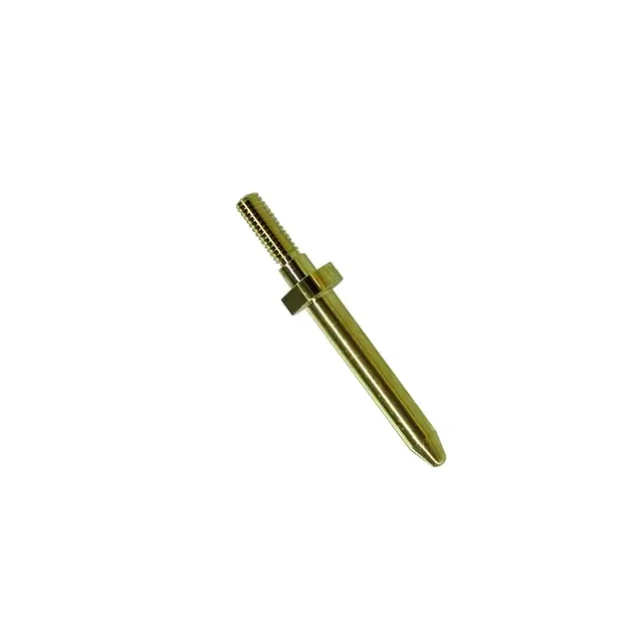
To better understand the applications of CNC machining across industries, here’s a table showcasing typical parts, key benefits, and materials commonly used in different sectors:
Industry | Typical Parts | Key CNC Benefits | Material Commonly Used |
Automotive | Brackets, shafts | ±0.01mm tolerance | Aluminum, Steel |
Electronics | Housings, heat sinks | High accuracy | Aluminum, Magnesium |
New Energy | Battery casings | Complex geometry | Stainless steel, Aluminum |
Motorcycles | Frame components, engine blocks | High strength & lightweight | Aluminum, Steel |
This table highlights how CNC machining plays an essential role in manufacturing high-quality parts that meet industry-specific demands. The combination of material precision and machining benefits ensures that CNC machining remains the preferred method in these fields.
CNC machining services address several real-world design challenges that are often difficult to overcome with traditional machining methods. Below are some common challenges and how CNC machining provides effective solutions:
In industries like automotive and aerospace, certain components require extremely tight tolerances to ensure proper functionality and safety. CNC machining provides a precise, repeatable process that can produce parts within very tight tolerance ranges, ensuring that critical features like fitting, assembly, and operational performance meet exact specifications.
Manufacturing parts with thin walls and complex contours presents a significant challenge for traditional machining methods. CNC machines, however, can easily handle intricate designs, producing parts with thin walls or complex contours while maintaining strength and integrity. This capability is essential in industries like electronics, where lightweight yet durable parts are necessary.
CNC machining is capable of handling a wide variety of materials, including hard metals and alloys, that are challenging for manual methods to machine. Additionally, CNC machining can achieve high-quality surface finishes, whether for aesthetic purposes or functional requirements such as reducing friction. Whether anodizing, electroplating, or polishing, CNC machining can provide a smooth, high-quality finish that enhances part performance and longevity.
Precision is key when it comes to manufacturing end-products that meet the highest standards of performance, safety, and quality. CNC machining plays a vital role in ensuring that the parts produced are reliable and perform optimally in their respective applications.
Parts produced with CNC machining are highly reliable, thanks to the consistency and precision the technology offers. In industries such as automotive, aerospace, and electronics, reliability is paramount, as even the smallest defects can lead to product failure or safety concerns. CNC machining ensures that every part is produced to the exact specifications, maintaining high performance over time.
CNC machining allows for reduced downstream processing, which can save both time and money. By producing parts to near-final specifications, there is less need for post-machining processes such as grinding or polishing. This streamlines production, reduces labor costs, and speeds up time-to-market.
CNC machining is an ideal choice for rapid prototyping, as it allows manufacturers to quickly produce functional prototypes that closely resemble the final product. This is crucial for industries that rely on innovation and fast product development cycles. With CNC machining, manufacturers can accelerate their prototyping processes, test and refine designs, and bring products to market faster.
CNC machining services offer significant advantages across multiple industries, from automotive to electronics and new energy. With their ability to provide high precision, repeatability, and the flexibility to handle complex designs, CNC machines are indispensable in modern manufacturing. SZWANDAAN stands at the forefront of this technology, providing precision CNC parts that meet the demands of various sectors. Whether you need prototypes or mass production, SZWANDAAN can deliver high-quality solutions that drive your business forward.
Q1: What are the main advantages of using CNC machining services?
A1: CNC machining offers high precision, repeatability, and the ability to produce complex parts that traditional methods can't. It's also highly scalable, making it ideal for both prototypes and mass production.
Q2: Can CNC machining handle materials like aluminum and stainless steel?
A2: Yes, CNC machining can handle a wide variety of materials, including aluminum, stainless steel, and magnesium, ensuring the production of durable and high-performance parts.
Q3: How does CNC machining help in reducing production time?
A3: CNC machining reduces production time by providing accurate and efficient cutting, eliminating the need for many manual processes, and allowing for rapid prototyping.
Q4: What industries use CNC machining services the most?
A4: CNC machining is commonly used in industries such as automotive, electronics, new energy, and motorcycles, where high precision and complex part production are required.


