Shenzhen Wandaan Precision Technology Co., Ltd Info@szwandaancnc.com

- All
- Product Name
- Product Keyword
- Product Model
- Product Summary
- Product Description
- Multi Field Search
Please Choose Your Language


 |


| Quantity: | |
|---|---|
Precision Die Casting Aluminum Enclosure
Wanda-An's die-cast housings begin with precise material selection, with aluminum alloys being the mainstream choice due to their lightweight, high strength, and excellent thermal conductivity, making them particularly suitable for the automotive, motorcycle, and electronics industries where weight reduction is crucial. Material selection requires comprehensive consideration of the application scenario: for example, automotive shock absorber towers need to balance strength and fatigue resistance, while consumer electronics housings prioritize heat dissipation performance and surface treatment.
Our manufacturing process begins with mold design. High-precision steel molds require preheating to approximately 220°C to reduce thermal stress deformation. The melting process demands strict control of alloy composition; for example, with ADC12 aluminum-silicon alloy, optimized silicon content enhances fluidity, ensuring complete filling of thin-walled structures. In the die-casting stage, molten metal is injected into the cavity at high pressure and speed, with a vacuum-assisted system reducing porosity. After demolding, the castings undergo deburring and heat treatment to eliminate residual stress and improve density. We can also provide surface treatments such as electroplating, powder coating, and painting for die-cast products according to customer requirements.
Wanda-An's die-cast housings are used in multiple high-precision fields. In the automotive industry, integrated die-casting technology integrates complex structures such as the rear floor from dozens of parts into a single component, significantly improving body rigidity and reducing fuel consumption. Electronic devices rely on their high-precision molding capabilities; for example, laptop housings use die casting to integrate complex curved surfaces with heat dissipation fins, achieving a balance between thinness and durability. LED lamp housings use die-cast aluminum alloy, utilizing its thermal conductivity to optimize heat dissipation design and extend the lifespan of the light source. In the aerospace industry, die castings are used to manufacture critical components such as engine mounts, achieving weight reduction while maintaining strength. Wanda Precision is committed to providing customers with one-stop die casting solutions that offer better quality and the most competitive prices.
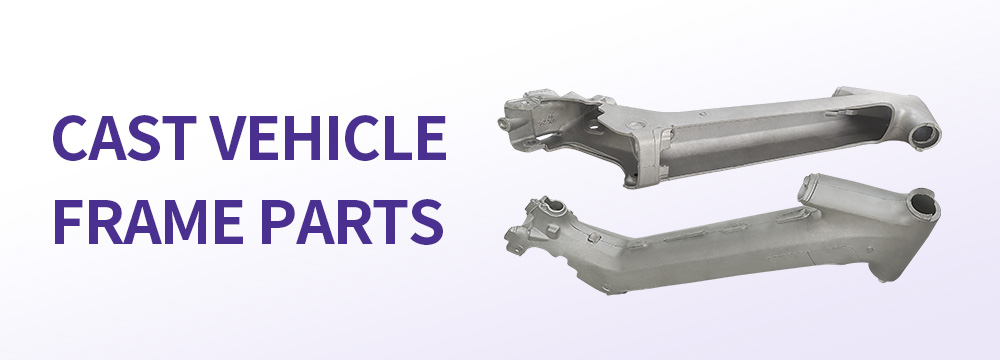
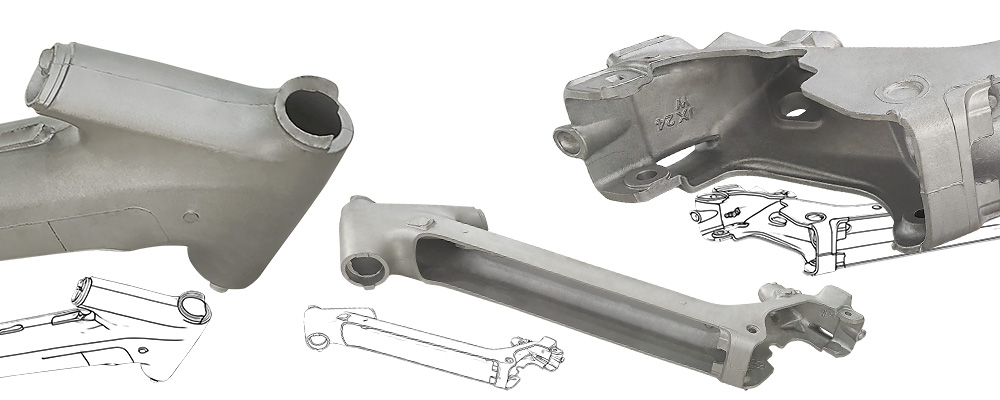
Die casting aluminum case
| Model | Aluminum Die Casting Housing |
| Surface Treatment | Electroplating, Powder Coating, Painting, Polishing |
| Material | ADC12, A380, Custom |
| Application | For motorcycle, automotive, medical, new energy, consumer electronics, etc. |


