Shenzhen Wandaan Precision Technology Co., Ltd Info@szwandaancnc.com


 |


| Quantity: | |
|---|---|
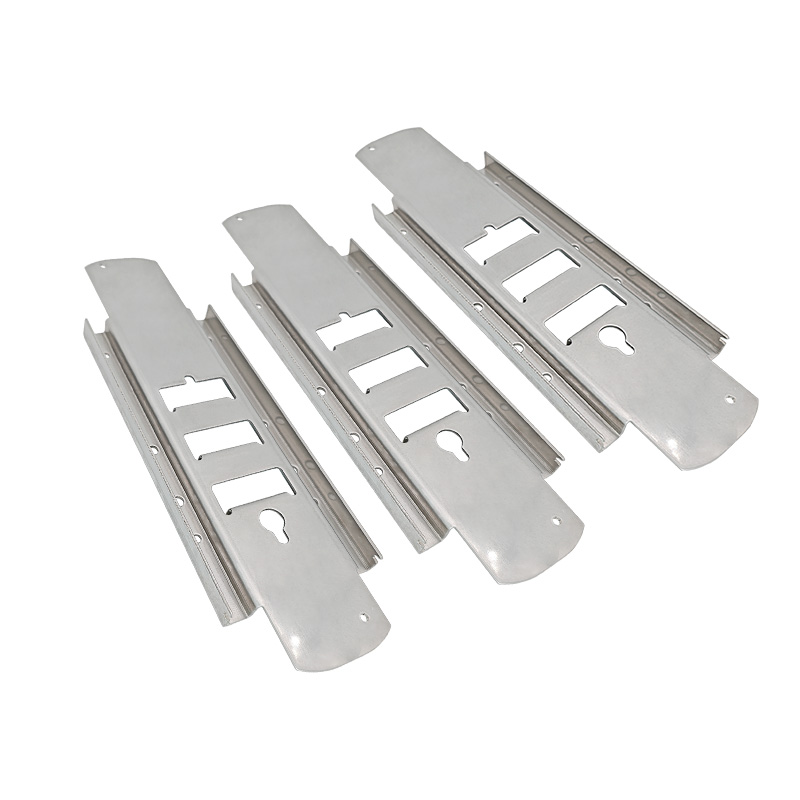
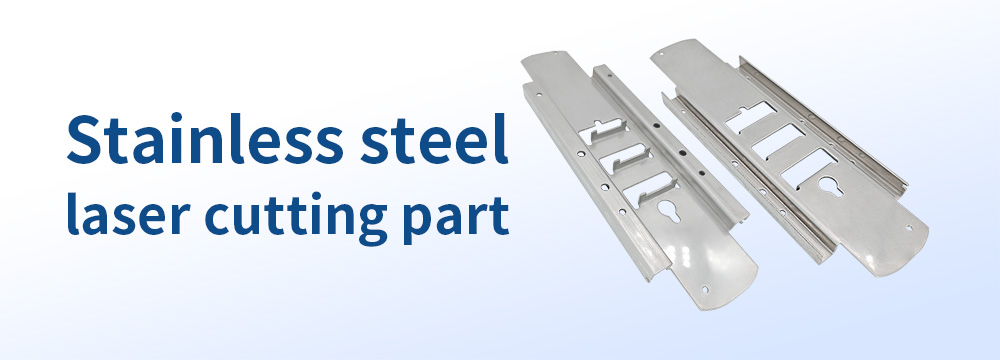
Stainless Steel Laser Cutting Part
At Wanda-An, stainless steel laser cutting is a precision manufacturing process that utilizes high-energy laser beams to melt, burn, or vaporize material, producing complex components with high precision.
| Material | Stainless steel, Steel, Copper, Brass, Aluminum, etc. |
| Surface Treatment | Anodizing, Galvanized, Tin-plated, Nickle, Powder Coating, etc. |
| Thickness | 0.1mm-12mm, customized |
| Citification | ISO9001:2015, IATF16949:2016, RoHS |
| Drawing Format | DWG, DXF, STEP, STP, PDF, JPG |
| Application | Electronics, Medical, Automotive, Industry, Power Distrubition Equipment, etc. |
Applications of Laser Cutting in Sheet Metal Processing
Laser cutting of sheet metal is a versatile technology that has revolutionized manufacturing across numerous industries. Its precision, efficiency, and adaptability make it indispensable for producing complex components with minimal material waste. Below, we explore the key sectors where this technology thrives.
1. Automotive Sector
The automotive industry leverages laser cutting for both exterior and interior components. For exterior parts, it enables the creation of intricate body panels, bumpers, and spoilers with clean edges and uniform thickness. In the interior, it’s used for dashboard frames, door panels, and other trim pieces. The technology's speed—up to 400% faster than traditional methods for certain parts—reduces production time, while its precision ensures a perfect fit for complex assemblies.
2. Electronics and Consumer Goods
In electronics, laser cutting is vital for producing small, precise components. For example, printed circuit boards (PCBs) require cuts with sub-micron accuracy to prevent electrical shorts. The technology also enables the creation of intricate patterns on thin materials like copper foils, which are essential for flexible electronics. In consumer goods, it’s used for crafting decorative elements in home appliances, furniture, and even fashion accessories, where precision and design flexibility are key.
3. Medical Equipment
The medical industry demands components that are both sterile and highly precise. Laser cutting is ideal for crafting surgical instruments, implants, and diagnostic devices. For instance, titanium implants require cuts with minimal material deformation to ensure biocompatibility. Similarly, laser-cut components in endoscopes and other medical tools must be free of burrs to prevent tissue damage. The technology’s ability to work with biocompatible materials like stainless steel and titanium makes it a perfect fit.
4. Energy and Industrial Machinery
In the energy sector, laser cutting is crucial for producing components in solar panels, wind turbines, and nuclear power plants. For example, solar panel frames require precise cuts to ensure optimal alignment of photovoltaic cells. In industrial machinery, it's used for crafting parts in heavy equipment, where durability and precision are essential for long-term performance.


