Shenzhen Wandanan Precision Technology Co., Ltd Info@szwandaancnc.com


Views: 0 Author: Site Editor Publish Time: 2026-02-26 Origin: Site


In today’s manufacturing world, the CNC machining process is indispensable. It allows for the production of high-precision components across various industries, including automotive, electronics, and aerospace. The versatility of CNC machining ensures that it remains a critical tool for meeting the demands of modern engineering. Understanding the full process—from design to the finished part—can help manufacturers optimize quality, reduce costs, and achieve faster turnaround times. This article will explore the CNC machining process in depth, comparing different types of CNC operations and examining how design decisions influence machining outcomes.
The CNC machining process begins with the design phase, where a concept is transformed into a detailed part design. This design is then translated into machine instructions, which guide the CNC machine to produce the component. Below is an overview of the entire CNC workflow:
The first step in the CNC machining process involves converting the product design from CAD (Computer-Aided Design) into CAM (Computer-Aided Manufacturing) software. CAD provides the geometric specifications of the part, while CAM generates the toolpaths needed for machining. CAM software ensures that the part will be manufactured with precision and efficiency by defining how the CNC machine will move and cut the material.
Once the design is ready, the CAM software generates a specific set of instructions known as G-code. G-code contains all the information that the CNC machine needs to perform the machining operations. These instructions include tool movements, speeds, feed rates, and cutting paths. The accuracy of the G-code directly affects the final product quality, making this stage crucial in ensuring precision.
After the G-code is generated, the next step is setting up the CNC machine. This includes mounting the raw material, selecting the correct cutting tools, and inputting the G-code into the machine. Once set up, the machine executes the program, performing automated movements that cut and shape the material into the final part. This setup and execution phase must be precise to avoid errors and reduce machining time.
There are several types of CNC operations used in modern machining. Each method has its unique advantages, depending on the part’s complexity, material, and production volume. The most common CNC operations include:
CNC milling is one of the most widely used machining processes. In this method, the workpiece is secured on a table, and rotating cutting tools remove material to shape the part. CNC milling is ideal for creating complex 3D shapes, slots, and holes in materials such as aluminum, stainless steel, and plastics. Milling can be done with multiple axes, allowing for the creation of intricate and detailed parts.
CNC turning, in contrast to milling, is used primarily to create cylindrical parts. In this process, the material is rotated on a spindle while a fixed tool removes material from the surface. CNC turning is particularly useful for creating parts like shafts, rods, and bushings. This method is known for its high precision, and it’s commonly used in industries such as automotive and aerospace, where precision is critical.
For even more complex parts, 4-axis and 5-axis machining provide the flexibility to cut from multiple directions simultaneously. While traditional CNC milling uses 3 axes (X, Y, Z), 4-axis and 5-axis machines add an additional axis of rotation, allowing for more intricate cuts. These advanced techniques are ideal for creating parts with complex geometries or that require precise angles and contours. With 5-axis machining, manufacturers can machine nearly any shape, reducing the need for multiple setups and improving part quality.
One of the most significant decisions in CNC machining is choosing between milling and turning. These two methods are suited for different types of parts and have distinct benefits.
Workpiece Orientation
In CNC milling, the workpiece remains stationary while the tool rotates and moves along various axes. In contrast, CNC turning involves rotating the workpiece while the cutting tool stays fixed. This difference in orientation influences the types of shapes that can be produced and the overall precision of the machining process.
Typical Applications
CNC milling is ideal for parts that require detailed shapes, slots, and holes, whereas CNC turning is better suited for cylindrical components, such as rods and shafts. Understanding the specific requirements of the part, including its geometry and material, can help manufacturers choose the right method.
Here’s a quick comparison of the CNC milling and turning processes:
Process Type | Best For | Typical Materials | Precision Level |
CNC Milling | Complex 3D shapes | Aluminum, Stainless Steel | ±0.01mm |
CNC Turning | Cylindrical parts | Steel, Aluminum | ±0.005mm |
This table highlights the key differences between CNC milling and turning, helping manufacturers choose the most appropriate method based on the part’s shape and material.
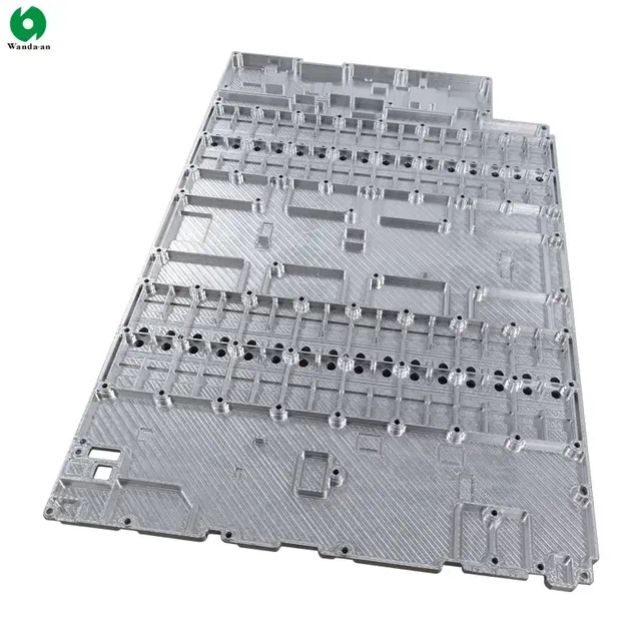
The lead time of a CNC project is largely influenced by the type of machining process used. Here are some factors that can impact lead time:
The complexity of the part and the chosen machining method significantly affects the setup time. CNC milling, for example, may require more time to set up compared to turning, especially for complex 3D shapes. Additionally, multi-axis machines can require longer setup times due to their versatility.
Some machining operations require frequent tool changes, which can increase production time. For instance, parts with varying features or materials may require multiple tools during the machining process. Minimizing tool changes or choosing designs that require fewer tools can reduce lead times.
The complexity of the part directly influences the machining time. Parts with intricate details, tight tolerances, or multi-axis cuts will take longer to machine. Simple cylindrical parts, such as those produced by CNC turning, generally have shorter lead times compared to complex 3D shapes created by CNC milling.
Selecting the right CNC process for your parts is essential for balancing quality, cost, and lead time. Here’s how to make the right decision:
When designing parts, it’s important to consider which machining process is best suited for the part’s geometry and material. For instance, complex 3D shapes with many features may be best suited for CNC milling, while simple cylindrical parts are better suited for CNC turning.
If your part requires intricate geometries or precise angles, 5-axis machining might be the right choice. However, for simpler parts, a standard 3-axis CNC machine will be sufficient. Using 5-axis machining reduces the need for multiple setups, which can improve overall efficiency and precision, but it also comes with higher costs.
In conclusion, understanding the CNC machining process and the various types of CNC operations is essential for manufacturers seeking to optimize quality and production efficiency. Choosing the right machining method, whether it's CNC milling, CNC turning, or advanced 4-axis/5-axis operations, can have a significant impact on part quality, production speed, and overall costs. By selecting the most suitable process for each part, manufacturers can ensure that their projects are completed on time and within budget.
SZWANDAAN understands the importance of selecting the right process for CNC machining and provides precision machining solutions across various industries. Whether you’re in automotive, aerospace, or electronics, SZWANDAAN is equipped to meet your machining needs with exceptional quality and efficiency.
Q1: What is the difference between CNC milling and CNC turning?
A1: CNC milling is used for creating complex 3D shapes and features, while CNC turning is ideal for cylindrical parts, such as rods and shafts. Milling involves moving the tool, while turning rotates the workpiece.
Q2: How does 5-axis machining improve precision?
A2: 5-axis machining allows for simultaneous cutting from multiple directions, enabling the production of highly complex parts with precise angles and contours.
Q3: What factors affect CNC machining lead times?
A3: CNC machining lead times are affected by setup times, tool change frequency, and the complexity of the part being produced. More complex parts typically require longer lead times.
Q4: When should I use 3-axis machining versus 5-axis machining?
A4: Use 3-axis machining for simple parts with straightforward geometries. For intricate parts with multiple features or angles, 5-axis machining is more efficient and precise.


