Shenzhen Wandanan Precision Technology Co., Ltd Info@szwandaancnc.com

- All
- Product Name
- Product Keyword
- Product Model
- Product Summary
- Product Description
- Multi Field Search


Views: 0 Author: Site Editor Publish Time: 2025-07-17 Origin: Site


When you use electronic devices, the heat sink keeps important parts cool. The heatsink sits on top of components that get hot. It draws heat away fast and spreads it out. Air moves over the heat sink and carries the heat away. An aluminium heatsink works well because you need strong cooling in electronic devices and energy equipment. With a heatsink, you prevent overheating and protect your devices.
An aluminium heatsink takes heat away from hot parts. This helps keep devices cool and working right. Aluminium is used a lot for heatsinks. It cools down fast, is light, and costs less than copper. Heatsinks have fins and big surfaces to spread heat out. Air moves over them and takes the heat away. This makes cooling better. Good airflow helps a lot. Putting the heatsink on right is important. Picking the right size heatsink keeps devices safe. It also helps them last longer. Aluminium heatsinks work in many devices. They are in small electronics and big energy machines. They cool well without adding much weight or cost.
You can find a heatsink in things like computers and LED lights. The heatsink sits on top of hot parts, like processors. When these parts work, they make heat. The heatsink takes this heat away and spreads it out. This helps keep the temperature low. It lets your device work well.
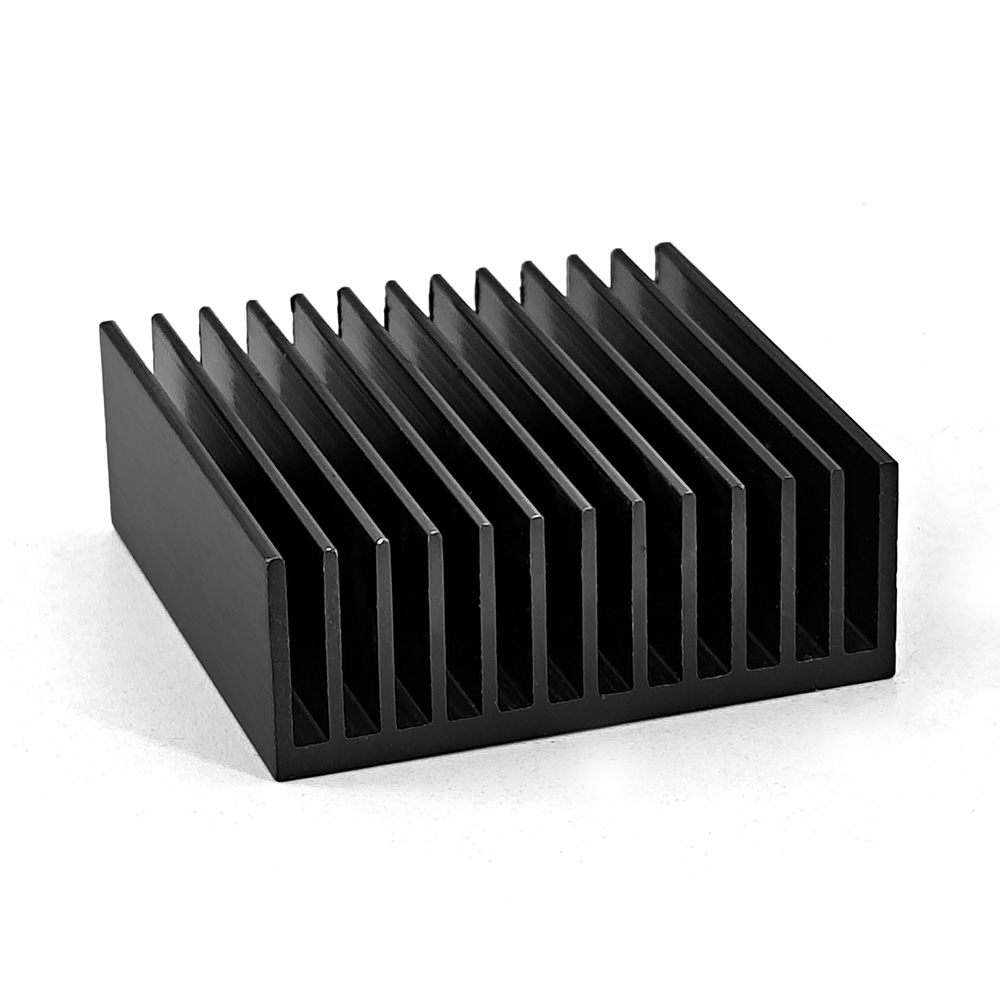
A heatsink has a big surface to move heat into the air. You might see thin metal fins on it. These fins give more space for air to touch. When air moves over the fins, it takes heat away. This keeps your devices safe from harm. In energy equipment, a heatsink helps machines last longer.
Tip: To help your devices last, keep the heatsink clean and let air move around it.
You might ask why aluminium is used for many heatsinks. Aluminium moves heat fast because it has high thermal conductivity. This makes it great for cooling. Aluminium is light, so it does not make your device heavy. It also costs less than other metals, so you save money.
Here is a quick comparison:
| Material | Weight | Cost | Thermal Conductivity |
|---|---|---|---|
| Aluminium | Light | Low | High |
| Copper | Heavy | High | Higher |
An aluminium heatsink gives you good cooling, is not heavy, and does not cost much. That is why many electronic devices and energy equipment use an aluminium heatsink.
When you ask, "how does a heatsink work," you want to know how your device stays cool. The process starts when a part, like a processor, generates heat during use. If you do not remove this heat, your device can get too hot and stop working well. The heat sink helps you avoid this problem by moving heat away from the hot part and releasing it into the air.
First, the hot part touches the base of the heatsink. The heat moves from the component into the heatsink because of thermal conductivity. Aluminium heatsinks use this property to transfer heat quickly. The base of the heat sink absorbs the heat and spreads it across its surface.
You will notice that many heatsinks have a flat base. This design helps the heat move from the component into the heat sink with little resistance. The better the contact, the faster the heat moves. If you use a thermal paste between the component and the heatsink, you can improve this contact even more.
Note: Good contact between the heatsink and the component helps you get the best cooling.
After the heat spreads through the heatsink, it needs to leave the device. The heat sink uses two main ways to do this: convection and radiation.
Convection: Air moves over the surface of the heat sink. The heat transfers from the metal to the air. Fins on the heatsink increase the surface area, so more air can touch the metal. This design lets the heat move into the air faster. If you add a fan, you can move even more air over the heat sink and cool your device better.
Radiation: The heatsink also releases some heat as infrared energy. This process is slower than convection, but it still helps lower the temperature.
The shape and size of the heatsink matter a lot. More fins and a larger surface area mean better cooling. You will see this in energy equipment, where the heat sink often has many thin fins to let air flow easily.
Here is a simple table to show how surface area and fin design help:
| Feature | Effect on Cooling |
|---|---|
| More Fins | Increases surface area |
| Larger Surface | More heat to air |
| Good Airflow | Faster heat removal |
If you keep your heatsink clean and make sure air can move around it, you help your device stay cool and safe.
When you look at a heatsink, you often see many thin fins sticking out from the base. These fins play a big role in how well your heat sink works. The more fins you have, the more surface area you get. A larger surface area lets more air touch the heatsink. This helps the heat move from the heatsink into the air faster.
You can think of each fin as a tiny bridge that carries heat away from the hot part. Air flows between the fins and takes the heat with it. In the energy equipment industry, you often see heatsinks with lots of fins. This design helps machines stay cool even when they work hard for a long time.
Tip: If you want your heatsink to work better, make sure nothing blocks the air from moving around the fins.
The size and shape of your heat sink matter a lot. A bigger heatsink can spread out more heat. If you use a small heatsink, it might not cool your device enough. The shape also helps. Some heatsinks have tall, thin fins. Others have wide, flat fins. The best shape depends on where you use the heatsink and how much space you have.
In the energy equipment industry, you often see large aluminum heat sink designs. These heatsinks fit into big machines and help them run safely. You might see special shapes that let air flow better or fit into tight spaces. Engineers choose the right size and shape to make sure the heat sink keeps everything cool.
Here is a quick list of what good heatsink design can do for you:
Increase the surface area for better cooling
Let air move easily between fins
Fit into your device or machine without blocking other parts
A well-designed heatsink helps your devices last longer and work better.
When you pick a heatsink, you usually see aluminium or copper. Both help cool things down, but they are different. Aluminium heatsinks are used a lot in electronics and energy equipment. You can find them in computers, LED lights, and big machines. Copper moves heat faster than aluminium because it has higher thermal conductivity. Some people think copper is always the best, but that is not true for everything. Aluminium heatsinks cool devices well because they spread heat fast and cover more space. They are also easier to shape and fit into many designs.
Here is a quick comparison:
| Feature | Aluminium Heatsink | Copper Heatsink |
|---|---|---|
| Thermal Conductivity | High | Very High |
| Weight | Light | Heavy |
| Cost | Low | High |
| Corrosion Resistance | Good | Moderate |
Note: Aluminium heatsinks are used when weight and size are important, like in laptops or energy equipment.
You want your heatsink to work well and be easy to use. Aluminium heatsinks are much lighter than copper ones. This makes your devices lighter and easier to move. You can use a bigger heatsink without making things too heavy. Cost matters too. Aluminium is cheaper than copper. If you pick an aluminium heatsink, you save money and still get good cooling. That is why many companies use aluminium for electronics and energy equipment.
Aluminium heatsinks are light and simple to put in.
You spend less money with aluminium than copper.
You still get strong cooling for most devices.
If you want a heatsink that is good for cost, weight, and performance, aluminium is a smart pick.
You need good airflow to get the best heat sink performance. Air moves heat away from the heatsink and keeps your device cool. If air cannot flow around the heat sink, the temperature rises. You can use a fan to push more air over the fins. This helps the heatsink work better. In some cases, you might see vents or open spaces near the heat sink. These let air move freely and improve cooling.
Tip: Keep dust and objects away from the heat sink. Blocked airflow can lower heatsink performance and cause overheating.
How you install the heat sink matters a lot. You should place the heatsink flat against the hot part. This gives the best contact and lets heat move quickly. If you use thermal paste, you fill tiny gaps between the surfaces. This helps the heat sink pull heat away faster. Tighten the heatsink so it does not move, but do not press too hard. A loose or crooked heat sink will not cool as well.
Here is a checklist for better heat sink performance:
Place the heatsink flat on the component.
Use thermal paste for better contact.
Make sure the heatsink does not move.
You must match the heat sink to your device and how you use it. Some devices need a large heatsink because they make a lot of heat. Others work fine with a smaller one. In the energy equipment industry, machines often run for long hours. These need strong cooling and a big heat sink. You should also think about where you use the device. Hot rooms or closed spaces need better cooling. Always pick a heatsink that fits your needs and keeps your equipment safe.
| Application Type | Heat Sink Size Needed | Airflow Needed |
|---|---|---|
| Small electronics | Small | Low |
| Computers | Medium | Medium |
| Energy equipment | Large | High |
Remember, the right heatsink and good airflow help your devices last longer and work better.
Now you understand how an aluminium heatsink works—efficiently drawing heat away, keeping devices cool, and extending their lifespan. With its lightweight design and cost-effectiveness, aluminium provides excellent thermal management. For optimal results, consider airflow, installation, and the right size. Shenzhen Wanda-An Precision Technology Co., Ltd. offers high-quality precision parts, including aluminium heatsinks, tailored to your needs. With over 20 years of experience, we specialize in providing reliable thermal solutions for industries like aerospace, automotive, and electronics.
You use an aluminium heatsink to pull heat away from electronic parts. It spreads the heat out and lets air carry it away. This keeps your device cool and safe.
You find aluminium heatsinks in computers, LED lights, and energy equipment. They help many machines and devices work without getting too hot.
You keep your heatsink working well by cleaning dust off the fins. Make sure air can move around it. Check that it sits flat on the hot part.
Yes, you can use aluminium heatsinks for big machines. They work well in energy equipment and other large devices that need strong cooling.
You do not always need a fan. A fan helps move more air over the heatsink. This can cool your device faster, especially if it gets very hot.