Shenzhen Wandaan Precision Technology Co., Ltd Info@szwandaancnc.com


Have you ever wondered how crucial copper busbars are in electrical systems? These components play a vital role in power distribution. Knowing how to cut copper busbars effectively ensures optimal performance and safety.
In this article, we’ll explore the best methods for cutting copper busbars. You’ll learn about the tools needed, step-by-step cutting techniques, and safety precautions. Let’s dive in!
A copper busbar is a conductive metal bar used in electrical systems to distribute power. Its primary purpose is to connect multiple circuits and conduct electricity efficiently. These bars are essential for managing high currents in various applications, ensuring safety and reliability in power distribution.
Copper busbars find their place in multiple industries due to their excellent conductivity and durability. Here are some key areas where they are commonly used:
● Renewable Energy Systems
In renewable energy setups, copper busbars play a crucial role. They are integral to solar panels and wind turbines, where they help transmit electricity generated from these sources to the grid. Their high conductivity minimizes energy loss, making them ideal for maximizing efficiency in energy systems.
● Industrial Facilities
Factories and industrial facilities rely heavily on copper busbars for power distribution. They connect machinery and equipment to the main power supply. This ensures a stable and efficient flow of electricity, which is vital for smooth operations.
● Electrical Infrastructure
In electrical infrastructure, copper busbars are key components in transformers and switchgear. They facilitate the movement of electricity between different parts of the system, ensuring that power is distributed reliably and safely. Their robustness makes them suitable for high-demand environments.
Copper is often the material of choice for busbars due to several inherent advantages:
● Excellent Conductivity
Copper has one of the highest electrical conductivities among metals. This property allows for efficient transmission of electricity, reducing energy losses during distribution.
● Corrosion Resistance
Copper's natural resistance to corrosion ensures longevity and reliability in various environments. This is particularly important in outdoor applications or areas with high humidity.
● High Mechanical Strength
Copper busbars can withstand significant mechanical stress without deforming. This makes them ideal for heavy-duty applications where reliability is crucial.
Benefits of Copper Busbars | Description |
Conductivity | High conductivity minimizes energy loss. |
Corrosion Resistance | Natural resistance enhances durability. |
Mechanical Strength | Can handle heavy loads without deforming. |
In summary, copper busbars are vital components in electrical systems, providing efficient power distribution across various industries. Their unique properties make them indispensable in modern electrical infrastructure.
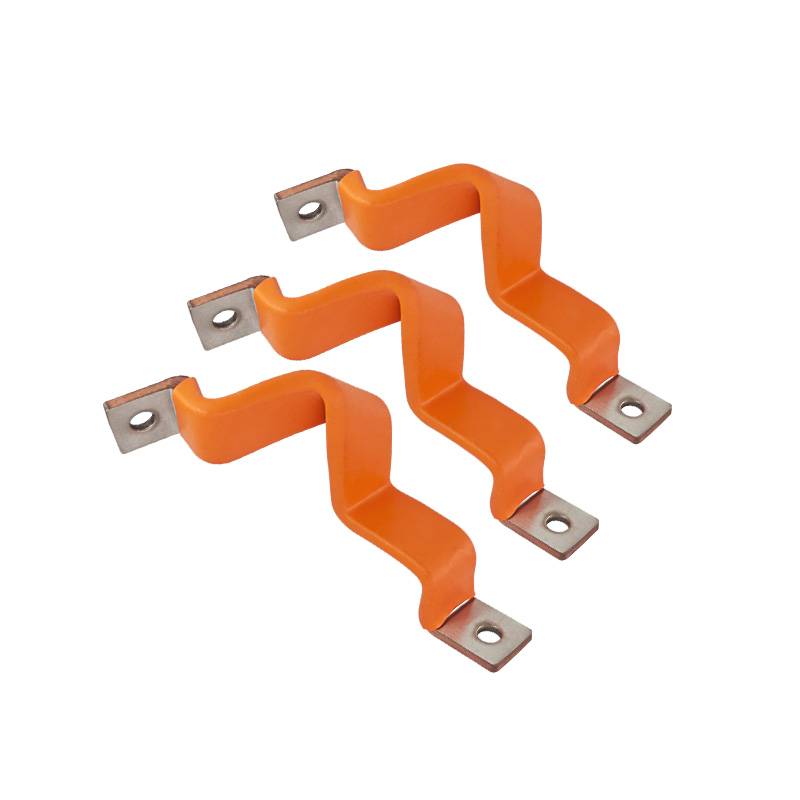
Cutting copper busbars is often necessary in various situations. Understanding when and why to perform this task can help ensure safety and efficiency in electrical systems. Let’s explore some common scenarios where cutting is essential.
1. Installation
When installing new electrical systems, busbars often need to be cut to fit specific dimensions. This customization allows for seamless integration into existing setups, ensuring that they connect properly with other components.
2. Repair
Over time, busbars can become damaged due to wear and tear. Cutting allows for the replacement of faulty sections, restoring functionality without the need for a complete overhaul. This targeted approach saves time and resources.
3. Customization
Different projects may require unique busbar shapes or sizes. By cutting copper busbars, we can create tailored solutions that meet specific electrical demands. Customization is particularly important in industries like renewable energy, where efficiency is key.
Precision in cutting copper busbars cannot be overstated. Accurate cuts ensure that the busbars fit perfectly, reducing the risk of electrical failures. Here are some reasons why quality matters:
● Reliable Performance
● If the cuts are uneven or imprecise, it can lead to poor connections. This may cause overheating, increased resistance, or even system failures. Ensuring clean, accurate cuts promotes reliability in power distribution.
● Safety Concerns
Poorly cut busbars can create safety hazards, such as short circuits. It’s essential to maintain high standards during the cutting process to avoid accidents that could endanger personnel and equipment.
Factors Influencing Cutting Quality | Impact on Performance |
Cutting Tools Used | Determines the precision of the cut. |
Operator Skill Level | Experienced operators achieve better results. |
Material Conditions | High-quality copper ensures better cuts. |
In summary, recognizing the need to cut copper busbars and understanding the importance of precision can greatly enhance the performance and safety of electrical systems. Proper cutting techniques lead to better installations, repairs, and customized solutions, ultimately ensuring reliable power distribution.
When it comes to cutting copper busbars, having the right tools is essential. The choice between manual and power tools depends on the specific requirements of the job. Let’s explore the various tools available and their best uses.
Manual tools are often favored for smaller projects or when precision is key. They allow for greater control but may require more effort. Power tools, on the other hand, offer speed and efficiency, making them ideal for larger jobs. Here’s a closer look at both categories.
● Hacksaw
The hacksaw is a versatile tool for cutting copper busbars. It consists of a serrated blade held in a frame, allowing for precise cuts. Best practices include using a fine-toothed blade for smoother cuts and maintaining a steady hand. It's ideal for thinner busbars and small adjustments.
● Pipe Cutter
A pipe cutter is specifically designed for cutting tubular shapes. It’s particularly useful for thin busbars, providing clean cuts without deformation. To use it, simply place the busbar in the cutter, tighten the knob, and rotate until the cut is complete. This method reduces the risk of burrs and ensures a neat finish.
● Score and Snap Method
For busbars around 5mm thick, the score and snap method is effective. Here’s how to do it:
○ Use a utility knife to score a straight line along the busbar.
○ Apply pressure on both sides of the score line.
○ Snap the bar cleanly along the scored line.
This method works well for achieving quick and precise cuts without additional tools.
● Chop Saw/Miter Saw
Chop saws or miter saws are excellent for cutting busbars quickly. They provide a straight, clean cut and are perfect for repetitive tasks. For best results, use a blade designed for metal cutting and ensure the busbar is securely clamped before cutting.
● Angle Grinder
While angle grinders are powerful, they can generate significant heat, which may affect the copper's properties. They are best used for rough cuts or when working with thicker busbars. Be mindful of burrs created during the process, and always wear safety gear to protect against sparks.
● Band Saw
A band saw is ideal for cutting thicker copper busbars. It maintains blade health while providing smooth cuts. Adjust the speed according to the thickness of the busbar for optimal performance. It is suitable for both straight and curved cuts.
● Hydraulic Busbar Cutter
This tool is the industry standard for high-volume work, especially in manufacturing environments like Shenzhen Wanda-An Precision Technology Co., Ltd. It delivers precise cuts with minimal effort, making it perfect for large-scale projects.
● Laser/Waterjet Cutting
For intricate shapes and high precision, laser or waterjet cutting is unmatched. These methods are often used in specialized applications where exact dimensions are critical. They minimize material waste and provide superior finish quality.
Tool Type | Best For | Advantages |
Manual Tools | Small projects, precision cuts | Greater control, lower cost |
Power Tools | Large jobs, efficiency | Speed, consistency |
Hydraulic Busbar Cutter | High-volume production | Precision, minimal effort |
Using the right tools for cutting copper busbars is crucial for achieving clean, precise results. Whether you opt for manual or power tools, understanding their strengths will help you make the best choice for your project.
Cutting copper busbars requires careful planning and execution. Following a structured approach ensures precision and quality in your work. Here’s a detailed guide to help you through each stage of the process.
Before diving into cutting, it’s essential to prepare adequately. Start by selecting the right copper busbar based on your specific application needs. Consider factors such as thickness, width, and length. For example, a thicker busbar may be necessary for high-current applications, while a narrower one might suffice for smaller circuits.
Next, cleaning the busbar surface is crucial. Any dirt or oxidation can affect the accuracy of your cuts. Use a suitable cleaning agent or a wire brush to ensure the surface is free from contaminants. This step not only improves cutting precision but also enhances the quality of the finished product.
Preparation Steps | Importance |
Select Correct Busbar | Ensures suitability for application needs |
Clean Surface | Improves accuracy and quality of cuts |
Once you have prepared the busbar, the next step is positioning it correctly in the cutting machine. Securely clamp the busbar to prevent any movement during cutting. Proper alignment is vital; even a slight deviation can lead to inaccurate cuts.
Use adjustable clamps to hold the busbar firmly in place. Ensure that it’s aligned with the cutting tool for a straight cut. This setup minimizes the risk of errors and enhances safety during the cutting process.
Now, let’s get into the actual cutting. Depending on the tools you're using, the method may vary slightly. Here’s how to execute the cut:
1. Manual Tools: For hacksaws or pipe cutters, apply steady pressure while cutting. Keep your hands stable to avoid jagged edges.
2. Power Tools: If you're using a chop saw or band saw, adjust the speed according to the thickness of the busbar. Ensure the blade is sharp for a clean cut.
Tips for Consistency:
● Make sure to mark your cut line clearly before starting.
● Use a straight edge as a guide for manual cuts.
● For power tools, double-check the settings for accuracy.
Cutting Tools | Best Practices |
Hacksaw | Steady pressure for smooth cuts |
Chop Saw | Adjust speed for thickness |
Band Saw | Maintain blade sharpness for clean edges |
After cutting, it’s important to treat the edges of the busbar to ensure safety and quality. Start by removing any burrs using deburring tools. Burrs can create sharp edges, which pose a risk during handling and installation.
Next, clean the cut surface again to remove any metal shavings or debris. This step is particularly crucial for applications in sensitive sectors like automotive and electronics, where quality assurance is paramount. A clean surface ensures better electrical conductivity and reduces the risk of short circuits.
Post-Cutting Steps | Purpose |
Remove Burrs | Prevents sharp edges and handling hazards |
Clean Surface | Ensures quality and conductivity |
By following these detailed steps, you can cut copper busbars effectively and safely, ensuring they meet the demands of your specific applications.
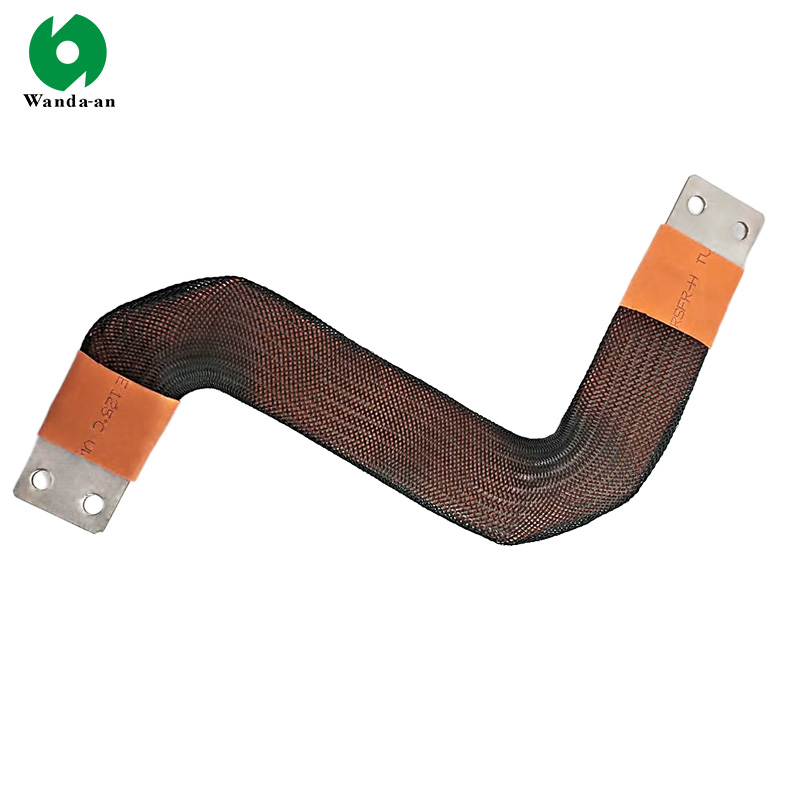
Quality control and inspection are critical steps in the process of cutting copper busbars. Ensuring that each cut meets specific standards can significantly impact the performance and safety of electrical systems. Let’s delve into why this is so important and what to look for during inspection.
After cutting, it’s essential to verify the dimensions of the copper busbar. Accurate dimensions ensure proper fit and functionality in electrical applications. If the busbar is too long or short, it can lead to installation issues or inefficient performance.
In addition to dimensions, the surface quality of the cut plays a vital role. A smooth surface enhances electrical conductivity and reduces the risk of corrosion. This is particularly important in environments where the busbars are exposed to moisture or other corrosive elements.
Quality Aspects | Importance |
Cut Dimensions | Ensures proper fit and functionality |
Surface Quality | Enhances conductivity and reduces corrosion risk |
When inspecting copper busbars, several common issues can arise. Being aware of these can help you address them promptly:
● Burrs: These are small, rough edges left after cutting. They can cause injuries during handling and may affect the electrical connection. To remove burrs, use a deburring tool or file to smooth the edges.
● Cracks: Cracks can occur during cutting, especially if the material is stressed. Inspect the busbar closely; if cracks are found, the busbar should be discarded to prevent potential failures.
● Uneven Edges: If the cut is not straight, it can lead to poor connections. Use a straight edge and check the cuts with a caliper to ensure they meet specifications. If edges are uneven, recut them for a clean finish.
Common Issues | Identification | Solutions |
Burrs | Rough edges on the cut | Use a deburring tool or file |
Cracks | Visible fractures in the material | Discard the busbar |
Uneven Edges | Irregular cut lines | Recut for precision |
For companies like Shenzhen Wanda-An, compliance with industry standards such as ISO 9001:2015 and IATF 16949:2016 is crucial. These standards ensure that products meet quality management and automotive quality requirements. Adhering to these guidelines involves:
● Regular Audits: Conducting internal audits to verify that processes align with established standards.
● Documentation: Keeping thorough records of inspections, measurements, and any issues encountered during the cutting process.
● Training: Ensuring that all staff are trained in quality control practices and understand the importance of compliance.
By focusing on these areas, manufacturers can enhance their quality control processes, leading to higher customer satisfaction and reduced risk of product failures.
Compliance Standards | Key Focus Areas |
ISO 9001:2015 | Quality management systems |
IATF 16949:2016 | Automotive quality management |
Implementing a robust quality control system not only ensures the integrity of copper busbars but also enhances overall operational efficiency. By following these guidelines, you can maintain high standards in your cutting processes.
Cutting copper busbars accurately is crucial for optimal performance. Precision in cuts ensures reliable electrical connections and safety.
Always prioritize safety and take your time during the cutting process. If you're handling complex cutting needs, consider professional services.
Experienced manufacturers like Shenzhen Wanda-An can provide high-quality solutions tailored to your requirements.
A: Best tools include hacksaws, pipe cutters, chop saws, and hydraulic busbar cutters.
A: Yes, you can cut copper busbars at home using manual or power tools, ensuring safety.
A: The maximum thickness varies by tool; hydraulic cutters handle thicker bars, while hacksaws are for thinner ones.
A: Use sharp blades, secure the busbar properly, and maintain steady pressure during cutting.
A: Avoid using dull tools, improper alignment, and neglecting safety precautions.


