Shenzhen Wandanan Precision Technology Co., Ltd Info@szwandaancnc.com


Views: 0 Author: Site Editor Publish Time: 2026-03-12 Origin: Site


When selecting materials for CNC machining, the decision between plastics vs metals CNC is critical for both performance and cost. The choice of material plays a significant role in determining the characteristics of the finished part, its performance in end-use applications, and the overall cost of production. Understanding the advantages and disadvantages of both plastics and metals in CNC machining can help manufacturers make informed decisions, ensuring that parts meet the necessary requirements for strength, durability, and functionality. This article explores the CNC materials comparison between plastics and metals, focusing on their pros and cons, and how material choice impacts the final product.
Material selection is one of the most important factors in CNC machining, as it influences the overall performance, cost, and manufacturability of a part.
The strength of a material is a primary consideration when selecting a material for CNC machining. Metals generally provide higher strength and are more suitable for applications that require load-bearing capacity or resistance to wear. However, plastics are often chosen for applications where weight reduction is important, or when the part will not be exposed to extreme stresses. Furthermore, the environment in which the part will be used also plays a role in material selection. For instance, materials exposed to high temperatures or corrosive environments may require special coatings or be made from metals like stainless steel.
Tolerance needs are also a consideration. While metals can be machined to very tight tolerances (as low as ±0.005mm), plastics may not offer the same level of precision, especially in larger or more complex parts. Depending on the application, the material’s ability to meet tolerance requirements will influence its suitability for a particular CNC machining project.
The machinability of a material affects the overall production time and tool wear. Metals, especially harder ones like stainless steel or titanium, are more difficult to machine and require specialized cutting tools, which increases machining time and costs. Plastics, on the other hand, are typically easier to machine, allowing for faster production and reduced tool wear. This makes plastics a cost-effective choice for prototypes or parts that do not need the strength of metal.
Metals are widely used in CNC machining due to their durability and strength. However, there are both advantages and disadvantages to using metals in the process.
Strength: Metals like steel, aluminum, and titanium offer excellent strength-to-weight ratios, making them ideal for load-bearing components and parts that need to withstand harsh environments. These materials can handle significant mechanical stress and are essential in industries such as automotive, aerospace, and defense.
Heat Resistance: Metals such as stainless steel and titanium are resistant to heat, which makes them ideal for applications exposed to high temperatures. This property is crucial in automotive engines, industrial machinery, and aerospace components, where parts must endure extreme conditions without losing their integrity.
Tight Tolerances: Metals can be machined to extremely tight tolerances, often within ±0.01mm. This precision is essential in applications where part fit and functionality are critical, such as in aerospace and medical devices.
Tool Wear: One of the drawbacks of machining metals is the increased wear on cutting tools, especially when dealing with hard metals like titanium and stainless steel. This means that the tools need to be replaced more frequently, which adds to the overall cost of production.
Machining Time: Metals generally require more machining time compared to plastics. This is because they are harder to cut and need slower speeds and more frequent tool changes to prevent overheating and tool damage. As a result, the production of metal parts tends to be slower and more costly.
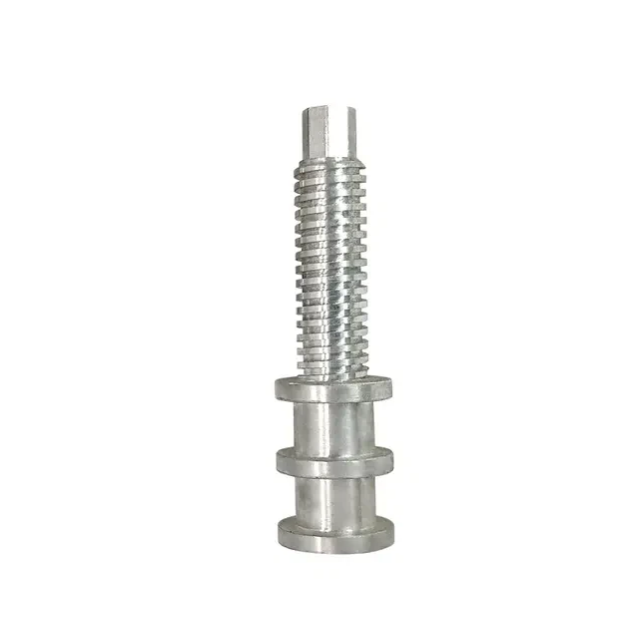
Plastics are commonly used in CNC machining due to their lower cost and ease of machining. However, they have their own set of advantages and disadvantages.
Lower Cost: Plastics are generally much cheaper than metals, both in terms of raw material costs and machining expenses. They also require less energy to machine, making plastic components an economical choice for many industries. This is why plastics are often used for consumer products, prototypes, and parts that do not need to withstand heavy loads.
Easier Cutting: Plastics are softer than metals and are easier to cut, which results in faster machining times and lower tool wear. This ease of machining makes plastics ideal for high-volume production runs and applications that require complex geometries without the need for advanced tooling.
Thermal Expansion: One of the main drawbacks of plastics is their tendency to expand and contract with changes in temperature. This can lead to dimensional instability, especially in parts that are exposed to fluctuating temperatures. In contrast, metals typically have more stable thermal properties, making them better suited for applications that involve temperature variations.
Lower Structural Strength: Plastics generally have lower structural strength compared to metals. While some plastics like PEEK or polycarbonate offer good mechanical properties, they still cannot match the strength of metals like steel or aluminum. This makes plastics unsuitable for heavy-duty applications where parts need to support significant weight or resist wear.
To better understand the differences between metals and plastics in CNC machining, here’s a comparison table highlighting key properties:
Property | Metals | Plastics | Recommended Use |
Machinability | Moderate | Easy | Prototypes |
Cost | High | Lower | Consumer parts |
Strength | High | Moderate | Load-bearing parts |
This table provides a clear comparison of the key properties of metals and plastics, helping manufacturers make informed decisions about which material to use based on the requirements of their specific project.
The material used in CNC machining significantly affects the end-use performance of the part. Whether a part is made from plastic or metal will determine its suitability for different applications.
Metals are ideal for applications where strength and durability are critical. For example, in automotive and aerospace industries, parts made from metals like aluminum or steel can support higher loads and are more resistant to wear and tear over time.
Plastics, while not as strong as metals, are often preferred in consumer products where weight reduction is important. Plastics are lighter than metals, which makes them suitable for products like housings and enclosures for electronics, where strength is less of a concern.
Metal parts are often required in high-performance applications, where the material must withstand high stress, temperature fluctuations, or harsh environments.
Plastic parts are commonly used in applications that prioritize cost-effectiveness and ease of manufacturing, such as in medical devices, packaging, or prototypes for product testing.
At SZWANDAAN, we have extensive experience working with a wide range of materials, including aluminum, magnesium, and stainless steel. Our team of experts ensures that every material is selected based on its suitability for the specific application, whether it’s for strength, cost-effectiveness, or machinability.
Our high-precision CNC machining capabilities allow us to meet tight tolerances and produce parts with exceptional quality. Additionally, our quality control processes ensure that each part meets stringent performance standards. We also offer a variety of surface finishes, such as anodizing and plating, to enhance the durability and aesthetics of the finished products.
In conclusion, choosing between plastics vs metals CNC is a critical decision that impacts the performance, cost, and manufacturability of parts. Metals are ideal for high-strength applications that require precision and durability, while plastics offer a more cost-effective solution for less demanding parts. SZWANDAAN is a trusted provider of precision CNC machining services, offering expertise in both materials and machining processes. By understanding the advantages and disadvantages of each material, manufacturers can make informed decisions that best suit their project requirements.
If you’re looking for high-quality CNC machining solutions, whether for metal or plastic parts, SZWANDAAN is here to help. Contact us today to discuss how we can meet your manufacturing needs with precision and efficiency.
Q1: What materials are commonly used in CNC machining?
A1: Common materials include metals like aluminum, stainless steel, and titanium, as well as plastics such as ABS, nylon, and PEEK.
Q2: How does the machinability of metals compare to plastics?
A2: Plastics are generally easier to machine than metals, which results in faster production times and less tool wear.
Q3: Can plastics withstand high temperatures like metals?
A3: No, metals such as stainless steel or titanium are more heat-resistant than plastics. However, some high-performance plastics can tolerate moderate temperatures.
Q4: How does material choice affect part strength and weight?
A4: Metals offer higher strength and durability, making them ideal for load-bearing applications. Plastics, while lighter and more cost-effective, typically have lower structural strength.


