Shenzhen Wandaan Precision Technology Co., Ltd Info@szwandaancnc.com


Views: 0 Author: Site Editor Publish Time: 2026-01-09 Origin: Site


Have you ever wondered how electricity flows efficiently in our homes and industries? Copper busbars play a crucial role in power distribution. In this article, we will explore what a flexible copper busbar is and its significance in electrical systems. You’ll learn about different types of copper busbars and their unique functions.
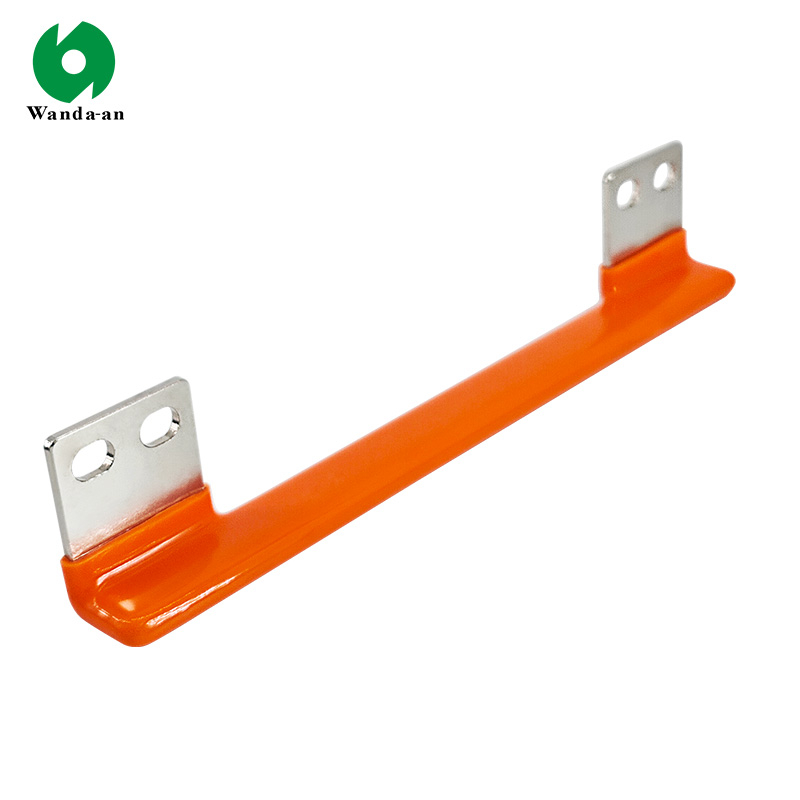
A flexible copper busbar is an essential electrical conductor designed for high-current applications. Unlike rigid busbars, these components can bend and adapt to various configurations, making them ideal for space-constrained environments. They are primarily made from high-purity copper, which ensures excellent conductivity and durability. In some cases, aluminum may also be used as an alternative material, providing a lightweight option without sacrificing performance.
Flexible copper busbars are constructed using advanced techniques to enhance their functionality. They typically consist of laminated layers of copper or braided wires. This design allows them to maintain flexibility while supporting significant electrical loads. Below are the key structural elements:
Structure Component | Description |
Laminated Layers | Multiple thin layers of copper bonded together for strength and flexibility. |
Braided Wires | Interwoven strands that provide additional flexibility and current-carrying capacity. |
The insulation materials used in flexible busbars are equally important. Common options include PVC, silicone, and heat-shrink tubing. These materials protect against short circuits and environmental factors, ensuring safe operation. Proper insulation contributes to the longevity of the busbar and enhances its overall performance.
The choice of insulation plays a crucial role in the effectiveness of flexible copper busbars. Here’s a closer look at the commonly used materials:
1. PVC (Polyvinyl Chloride):
a. Affordable and widely used, PVC offers good electrical insulation and resistance to moisture.
2. Silicone:
a. Known for its flexibility and high-temperature resistance, silicone is ideal for applications with extreme conditions.
3. Heat-Shrink Tubing:
a. This material provides a tight seal around the busbar, enhancing protection against environmental elements and mechanical stress.
Using the right combination of materials ensures that flexible copper busbars perform optimally in various applications, from renewable energy systems to industrial machinery.
● Flexible copper busbars are vital for efficient power distribution.
● They are made from high-purity copper or aluminum.
● The construction involves laminated layers and braided wires for flexibility.
● Proper insulation is critical for safety and performance.
Flexible copper busbars are indispensable in modern electrical systems, offering adaptability and reliability where rigid alternatives fall short.
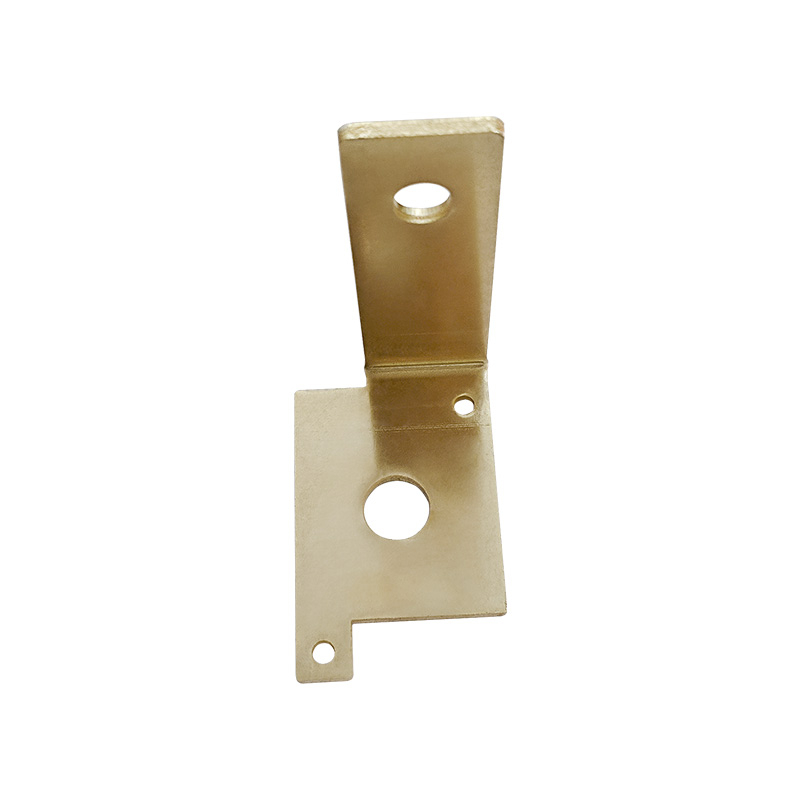
Flexible copper busbars offer remarkable adaptability in various electrical systems. Their design allows them to bend and conform to different shapes, making them ideal for installations where space is limited. This flexibility is particularly advantageous in dynamic environments where components may experience movement or vibration. For example, in industrial settings, equipment often vibrates during operation. Flexible busbars can absorb these vibrations, reducing stress on connections and enhancing the overall durability of the system.
One of the standout benefits of flexible copper busbars is their ability to optimize space. Traditional wiring and rigid busbars can take up significant room, complicating installation. In contrast, flexible busbars can be routed around obstacles, reducing their installation footprint significantly. This is especially useful in compact areas, such as data centers or renewable energy setups.
Space Utilization | Flexible Copper Busbar | Rigid Busbar |
Installation Footprint | Smaller, adaptable design | Larger, fixed design |
Routing Flexibility | High | Limited |
By minimizing the space required for electrical connections, flexible copper busbars allow for more efficient use of available area, leading to better overall system design.
When it comes to installation, flexible copper busbars simplify the process significantly. Unlike rigid busbars, which require precise alignment and may need additional supports, flexible busbars can be installed quickly and easily. They can be shaped and adjusted on-site, allowing for faster setup times. This adaptability reduces labor costs and installation errors.
Comparing flexible busbars to traditional wiring, we see more benefits:
● Reduced Complexity: Fewer connections and components are needed, leading to a cleaner installation.
● Time Efficiency: Installation can be completed in less time due to the ease of handling and adjusting the busbars.
Flexible copper busbars excel in electrical performance and efficiency. Made from high-purity copper, they ensure excellent conductivity, which is crucial for high-current applications. The design of these busbars allows for maximum current flow while minimizing resistance and heat generation. This is particularly important in applications where large amounts of electricity are distributed, such as in power distribution systems and renewable energy setups.
Performance Metric | Flexible Copper Busbar | Rigid Busbar |
Electrical Conductivity | High | Moderate |
Heat Generation | Low | Higher |
In high-current scenarios, maintaining low resistance is essential for preventing overheating and ensuring system reliability. Flexible copper busbars meet these demands effectively, making them a preferred choice for modern electrical systems.
Flexible copper busbars are not only versatile but also highly efficient, making them an excellent choice for a variety of applications. Their unique advantages in flexibility, space optimization, installation ease, and conductivity set them apart from traditional solutions.
Flexible copper busbars play a vital role in power distribution systems, serving both high-voltage and low-voltage applications. They efficiently distribute electricity across various components, ensuring reliable energy flow. Their ability to adapt to different layouts makes them ideal for complex systems where space is limited.
Application | Voltage Level | Benefits |
Residential | Low Voltage | Safe and efficient power delivery |
Industrial | High Voltage | Supports heavy machinery and equipment |
Renewable Energy | Variable Voltage | Integrates seamlessly with diverse energy sources |
In industrial facilities, flexible copper busbars are essential for reliable power distribution to machinery and equipment. They help maintain consistent energy flow, which is crucial for operational efficiency. By minimizing voltage drops, these busbars ensure that all equipment receives stable power, reducing the risk of downtime.
● Key Benefits:
○ Enhanced reliability for critical machinery.
○ Quick installation and adaptability to changing layouts.
○ Improved safety due to reduced overheating risks.
Flexible busbars are indispensable for connecting transformers and other devices in substations. Their design allows for easy integration into existing systems, facilitating maintenance and upgrades. The flexibility of these busbars ensures they can accommodate various configurations without compromising performance.
Equipment | Role | Benefit |
Transformers | Voltage regulation and distribution | Efficient energy management |
Switchgear | Control and protection of electrical circuits | Enhanced safety and reliability |
Circuit Breakers | Interrupt power during faults | Quick response to electrical issues |
In data centers, flexible copper busbars provide dependable power distribution for servers and IT equipment. They help manage the high current demands of modern computing environments while ensuring minimal resistance and heat generation. This efficiency is critical for maintaining optimal performance and preventing equipment failure.
● Advantages:
○ Supports high-density server installations.
○ Reduces cable clutter, improving airflow and cooling.
○ Easy to modify as data center needs evolve.
Flexible copper busbars are increasingly integrated into renewable energy applications, such as wind turbines, solar panels, and battery systems. Their adaptability allows for efficient connections between various energy sources and storage solutions. This capability enhances the overall performance of renewable energy systems, making them more effective in harnessing and distributing clean energy.
Renewable Application | Function | Impact |
Wind Turbines | Connects generator to grid | Maximizes energy capture |
Solar Panels | Links panels to inverters | Improves energy conversion efficiency |
Battery Systems | Distributes power from storage | Ensures reliable energy supply |
Flexible copper busbars are essential in a wide range of applications, from power distribution systems to renewable energy solutions. Their versatility, efficiency, and reliability make them a preferred choice in modern electrical infrastructure.
Flexible copper busbars are available in a wide range of current ratings, making them suitable for various applications. These ratings typically range from 15A to 10,000A, accommodating both low-power and high-power systems. This versatility allows engineers to select the appropriate busbar based on the specific needs of their electrical installations.
Current Rating | Typical Applications |
15A | Small electronic devices |
100A | Residential power distribution |
1000A | Industrial machinery |
10,000A | Large power plants and substations |
This broad spectrum ensures that flexible copper busbars can effectively handle the demands of different electrical environments.
When it comes to voltage compatibility, flexible copper busbars are designed to operate across a significant range. They can handle voltages from 110V to 20kV, making them ideal for both residential and industrial applications. This capability is essential for ensuring safe and reliable power distribution in various settings.
● Low Voltage (110V - 1kV): Commonly used in residential and commercial applications.
● Medium Voltage (1kV - 15kV): Suitable for industrial facilities and some renewable energy systems.
● High Voltage (15kV - 20kV): Typically found in substations and large-scale power distribution networks.
To enhance durability and performance, flexible copper busbars often undergo various surface treatments. These treatments provide corrosion resistance and improve the longevity of the busbars. The most common options include:
Surface Treatment | Description |
Tin-Plated | Offers good corrosion resistance and solderability. |
Nickel-Plated | Provides excellent corrosion protection and durability. |
Bare Copper | Used in applications where corrosion is not a concern. |
Choosing the right surface treatment is crucial for ensuring the busbar's performance in specific environments.
One of the significant advantages of flexible copper busbars is the ability to customize their dimensions and shapes according to customer needs. Manufacturers can tailor busbars to fit specific applications, which may include:
● Dimensions: Custom lengths and widths to fit unique installation spaces.
● Shapes: Bends and curves to adapt to complex layouts.
● Insulation: Options for different insulation materials based on environmental conditions.
This level of customization allows engineers to design efficient systems that meet their exact requirements, enhancing both functionality and safety.
Flexible copper busbars are equipped with essential specifications that make them versatile and reliable in various applications. Their current ratings, voltage compatibility, surface treatments, and customization options ensure they can meet the diverse needs of modern electrical systems.
Choosing the right flexible copper busbar involves several critical factors that can impact performance and safety. Understanding these elements will help you make informed decisions tailored to your specific application.
1. Application Requirements:
a. Current Rating: Determine the maximum current the busbar will carry. This can range from 15A for small devices to over 10,000A for industrial applications.
b. Voltage Compatibility: Ensure the busbar can handle the voltage levels required, which may vary from 110V to 20kV depending on the system.
c. Environmental Conditions: Consider the operating environment. Factors like temperature, humidity, and exposure to corrosive substances can influence the choice of materials and surface treatments.
Requirement | Considerations |
Current Rating | Match with application needs (15A to 10,000A) |
Voltage Compatibility | Ensure it meets voltage range (110V to 20kV) |
Environmental Factors | Assess conditions (temperature, humidity, etc.) |
2. Customization Needs:
a. Length and Cross-Section: Busbars should be tailored to fit specific installation spaces. Custom lengths and cross-sectional shapes can optimize performance and efficiency.
b. Insulation Options: Depending on the application, select appropriate insulation materials. Options include PVC, silicone, or heat-shrink tubing, each offering different levels of protection.
Working with experienced manufacturers is crucial when selecting flexible copper busbars. Companies like Shenzhen Wanda-An Precision Technology Co., Ltd. specialize in producing high-quality copper busbars tailored to various applications. Their expertise brings several advantages:
● Quality Assurance: Established manufacturers have rigorous quality control processes to ensure reliability and safety.
● Technical Support: They can provide valuable insights into the best busbar specifications for your needs, helping you avoid costly mistakes.
● Customization Capabilities: Experienced suppliers offer extensive customization options, allowing you to get precisely what you need for your application.
Benefits of Consulting Experts | Details |
Quality Assurance | Rigorous testing and adherence to standards |
Technical Support | Guidance on specifications and requirements |
Customization Capabilities | Tailored solutions for unique applications |
By considering these factors and collaborating with knowledgeable manufacturers, you can ensure that the flexible copper busbar you choose will meet your specific needs effectively. This approach not only enhances performance but also contributes to the overall safety and reliability of your electrical systems.
Flexible copper busbars are essential for modern electrical systems. They offer numerous benefits, including enhanced flexibility, space optimization, and high conductivity.
These busbars are used in various applications, such as power distribution, industrial facilities, and renewable energy systems.
Consider flexible copper busbars for your electrical solutions. Their adaptability and efficiency can significantly improve system performance.
A: Flexible copper busbars can bend and adapt to various shapes, while rigid busbars are fixed in shape and position.
A: Yes, flexible copper busbars are suitable for high-voltage applications, handling voltages up to 20kV.
A: Work with reputable manufacturers and check for quality certifications and rigorous testing standards.
A: Avoid improper sizing, neglecting environmental factors, and failing to secure connections properly.
A: They minimize resistance and heat generation, ensuring efficient power distribution across electrical systems.


