Shenzhen Wandanan Precision Technology Co., Ltd Info@szwandaancnc.com


Views: 0 Author: Site Editor Publish Time: 2026-01-16 Origin: Site


Are aluminum bus bars safe? This question is crucial for anyone involved in electrical systems.
Aluminum bus bars are essential components used in switchboards and industrial equipment.
In this post, we’ll explore their safety features, common applications, and address historical concerns about aluminum wiring.
When it comes to safety, aluminum bus bars undergo rigorous quality control. This process includes multiple testing methods to ensure reliability. Key aspects of testing involve:
● Dimensional Accuracy: Each bus bar is measured to guarantee it fits perfectly with other components. This reduces the risk of installation errors.
● Electrical Conductivity: High conductivity is essential for efficient power transmission. Tests confirm that each bar meets or exceeds industry standards.
● Mechanical Strength: Aluminum bus bars must withstand physical stresses. Testing ensures they can handle vibrations and other forces without failure.
SZWANDAAN, a leading manufacturer, emphasizes the importance of certifications like ISO 9001 and IATF. These certifications demonstrate a commitment to quality and safety. They assure customers that products are made following strict international standards.
Aluminum bus bars offer several material benefits that enhance safety and performance.
1. Corrosion Resistance: Aluminum naturally forms a protective oxide layer. This layer prevents corrosion, which can lead to electrical failures. In humid environments, this property is especially crucial as it minimizes the risk of short circuits.
2. Lightweight Properties: Compared to copper, aluminum is significantly lighter. This characteristic reduces the overall load on electrical systems, making installations easier and safer. It also allows for simpler structural support.
3. Thermal Management: Aluminum has excellent thermal conductivity. This means it can effectively dissipate heat generated during high-current applications. By managing heat, aluminum bus bars help prevent overheating, ensuring reliable performance in demanding situations.
Here’s a quick comparison of aluminum's advantages over traditional materials:
Feature | Aluminum Bus Bars | Copper Bus Bars |
Weight | ~70% lighter | Heavier |
Corrosion Resistance | Naturally resistant | Requires protective coatings |
Thermal Conductivity | Excellent | Superior |
Cost | Lower and stable | Higher and volatile |
These advantages make aluminum bus bars a preferred choice in various applications, including power distribution systems and renewable energy sectors. Their unique properties not only enhance safety but also improve overall efficiency in electrical systems.
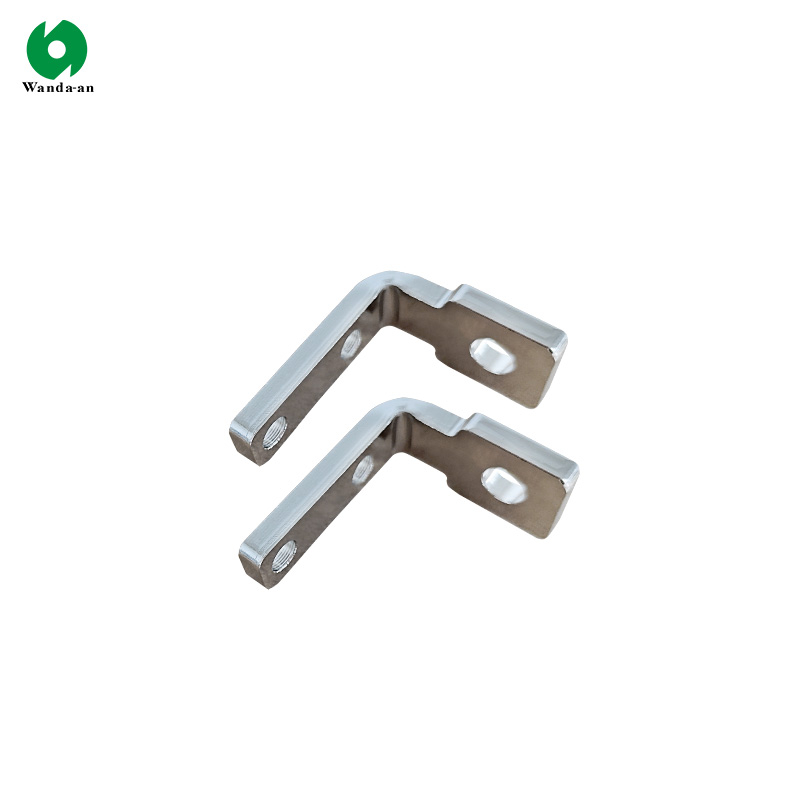
One of the primary concerns with aluminum bus bars is oxidation. When aluminum is exposed to air, it forms a thin oxide layer. While this layer protects the metal from further corrosion, it can also create issues for electrical connections. Oxidation increases resistance, which may lead to overheating and potential failure in electrical systems.
To combat this problem, several effective solutions are available:
● Tin-Plating: This process involves coating the aluminum with a thin layer of tin. It enhances conductivity and protects against oxidation.
● Specialized Joint Compounds: These compounds can be applied at connection points to ensure a low-resistance interface. They help maintain conductivity over time.
● Anodizing: This electrochemical process thickens the oxide layer, providing additional protection without compromising electrical performance.
Aluminum has unique thermal properties that must be considered. When heated, aluminum expands more than many other metals. This expansion can lead to stress at joints and connections, potentially causing failures. If not managed properly, it can create unsafe conditions in electrical systems.
To address thermal expansion, engineers often implement design strategies such as:
● Flexible Expansion Joints: These components allow for movement as temperatures change. They help absorb the stresses caused by expansion and contraction.
● Proper Sizing: Ensuring that aluminum bus bars are adequately sized can help accommodate thermal expansion, reducing the risk of joint failure.
Here’s a visual representation of thermal expansion effects:
Temperature Change (°C) | Expansion (mm/m) |
20 | 0 |
50 | 0.012 |
100 | 0.024 |
150 | 0.036 |
This table illustrates how aluminum expands with increasing temperatures, emphasizing the need for careful design.
Connecting aluminum to copper poses additional safety risks. When these two metals are joined, galvanic corrosion can occur. This chemical reaction happens when two different metals are in contact with an electrolyte, leading to deterioration of one of the metals. In this case, aluminum is usually the one that suffers.
To ensure safe installations, it’s essential to follow best practices:
● Use Transition Plates: These plates can effectively bridge the connection between aluminum and copper, minimizing direct contact and reducing corrosion risk.
● AL/CU-Rated Connectors: These connectors are specifically designed for mixed-metal applications. They help maintain a reliable connection while preventing galvanic corrosion.
By following these guidelines, we can enhance the safety and reliability of aluminum bus bars in various applications. Understanding these common concerns allows for better planning and execution in electrical installations.
When comparing aluminum bus bars to copper, several factors come into play. One of the most significant differences is weight. Aluminum is approximately 70% lighter than copper, making it easier to handle and install. This lightweight nature reduces the structural load on electrical systems, which can lead to lower installation costs and easier maintenance.
Cost is another critical factor. Aluminum is generally more affordable than copper, which can fluctuate in price due to market conditions. This affordability makes aluminum bus bars a cost-effective choice for many applications. Here’s a quick comparison:
Feature | Aluminum Bus Bars | Copper Bus Bars |
Weight | ~70% lighter | Heavier |
Cost | Lower and stable | Higher and volatile |
Corrosion Resistance | Naturally resistant | Requires protective coatings |
Maintenance Requirements | Low | Moderate |
Aluminum also offers durability advantages. It is naturally resistant to corrosion, which is a significant benefit in harsh environments. This resistance means less frequent maintenance and longer service life compared to copper, which often requires additional protective measures to prevent corrosion.
Compliance with industry standards is essential for ensuring safety and reliability. Aluminum bus bars, especially those produced by reputable manufacturers like SZWANDAAN, meet stringent regulatory requirements. Key standards include:
● ASTM (American Society for Testing and Materials): Provides guidelines for materials and testing methods.
● UL (Underwriters Laboratories): Ensures products meet safety and performance criteria.
● IEC (International Electrotechnical Commission): Sets international standards for electrical components.
SZWANDAAN’s commitment to these standards reflects its dedication to quality and safety. Their products are designed to perform reliably in various applications, from residential to industrial settings. Compliance not only assures customers of the product's safety but also enhances overall system integrity.
By understanding these comparisons and standards, we can appreciate why aluminum bus bars are a popular choice in many electrical applications. Their advantages in weight, cost, and durability make them a compelling option for modern electrical systems.
Aluminum bus bars play a crucial role in electric vehicles (EVs), especially in battery packs. These bus bars are designed to handle high currents, ensuring efficient power distribution. Safety features are built into these components to prevent overheating and electrical failures. For instance, SZWANDAAN incorporates advanced thermal management technologies to maintain optimal operating temperatures.
The impact on vehicle performance is significant. Efficient energy transfer leads to improved range and reliability. Moreover, the lightweight nature of aluminum contributes to overall vehicle efficiency, allowing for better handling and performance. SZWANDAAN's expertise in creating robust aluminum bus bars ensures that they meet the rigorous demands of modern EV applications.
In the realm of renewable energy, aluminum bus bars are essential for solar power systems and other new energy equipment. They facilitate effective energy distribution while maintaining safety under varying environmental conditions. For example, in solar power installations, these bus bars must withstand fluctuations in energy output and temperature changes.
SZWANDAAN’s products are engineered to perform reliably in these dynamic settings. Safety considerations include protection against corrosion and thermal expansion, which can be critical in outdoor installations. The following table illustrates the advantages of using aluminum bus bars in renewable energy applications:
Feature | Benefits in Renewable Energy Systems |
Corrosion Resistance | Ensures long-term reliability in outdoor settings |
Lightweight | Reduces structural load on solar panels |
Thermal Management | Prevents overheating during peak production hours |
In industrial environments, aluminum bus bars are valued for their durability and mechanical stress resistance. Manufacturing settings often involve heavy machinery and continuous operation, which demand reliable electrical connections. SZWANDAAN focuses on creating bus bars that can withstand these challenging conditions.
Safety measures are critical in these applications. For instance, aluminum bus bars are designed to handle vibrations and thermal cycles without failure. This reliability minimizes downtime and maintenance costs. Here’s a quick overview of why aluminum bus bars are ideal for industrial use:
● Durability: Naturally resistant to corrosion, aluminum ensures longevity.
● Mechanical Strength: Designed to endure stress from heavy machinery.
● Ease of Installation: Lightweight properties simplify handling and installation.
By understanding the specific safety considerations in these applications, we can appreciate how aluminum bus bars enhance performance and safety across various sectors.

Analyzing past incidents involving aluminum bus bars provides valuable insights into their safety performance. One notable case occurred in a large industrial facility where improper installation led to a failure. The bus bars overheated due to inadequate thermal management, resulting in a fire hazard. Investigations revealed that the connections were not properly secured, allowing for increased resistance at the joints.
From this incident, several lessons were learned:
● Importance of Proper Installation: Thorough training for installation teams is essential to ensure connections are secure and meet safety standards.
● Enhanced Design Features: Manufacturers, including SZWANDAAN, have since improved designs to include better thermal management solutions and more robust connection mechanisms. These enhancements help prevent similar failures in the future.
The following table summarizes key findings from the analysis of aluminum bus bar failures:
Incident Type | Cause of Failure | Lessons Learned |
Overheating | Inadequate thermal management | Improve design and installation protocols |
Corrosion | Poor material selection | Use corrosion-resistant coatings |
Connection Failure | Improper securing | Train installation teams thoroughly |
Insights from engineers and safety inspectors shed light on the real-world performance of aluminum bus bars. Many experts emphasize the importance of compliance with industry standards. They report that regular safety audits reveal aluminum bus bars, particularly those from reputable manufacturers like SZWANDAAN, consistently meet or exceed safety expectations.
One engineer noted, "In my experience, SZWANDAAN's aluminum bus bars have shown remarkable reliability during inspections. Their commitment to quality and adherence to safety standards is evident in every product."
Safety inspectors also share positive feedback regarding compliance checks. They often find that SZWANDAAN's products not only pass inspections but also demonstrate advanced safety features that enhance performance in various applications.
Here’s a quick overview of expert feedback:
Expert Role | Feedback Summary |
Engineer | Reliability and adherence to safety standards are excellent. |
Safety Inspector | Consistent performance during audits; advanced safety features. |
These testimonials highlight the effectiveness of aluminum bus bars in real-world applications and reinforce the importance of choosing high-quality products for safety and reliability.
Aluminum bus bars offer significant safety features, including corrosion resistance and lightweight properties. Their design considerations, such as thermal management and secure connections, enhance reliability. When selecting bus bars, it's essential to choose high-quality products. SZWANDAAN’s aluminum bus bars stand out for their proven safety and performance. By making informed decisions, you can ensure safe and efficient electrical systems.
A: Aluminum bus bars are not inherently more dangerous than copper, but proper installation and maintenance are crucial.
A: Aluminum bus bars should be inspected regularly, ideally every six months, to ensure safety and performance.
A: Signs include discoloration, corrosion, overheating, or physical damage at connection points.
A: While versatile, aluminum bus bars may not be suitable for every application; consult manufacturer guidelines.
A: SZWANDAAN aluminum bus bars meet industry standards, including ASTM, UL, and IEC certifications.


