Shenzhen Wandaan Precision Technology Co., Ltd Info@szwandaancnc.com


 |


| Quantity: | |
|---|---|
Custom Cnc Enclosure Machining
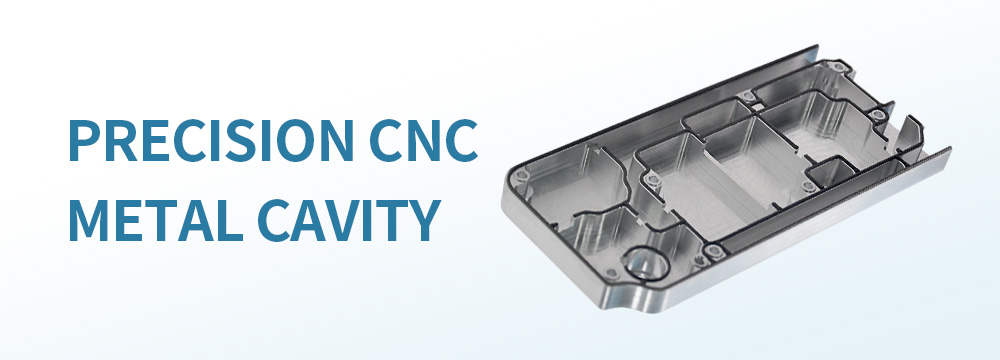
CNC enclosure machining is a subtractive manufacturing process that transforms a solid block of material- typically aluminum or stainless steel- into a precision protective housing. Using computer-controlled milling and turning operations, the process carves out internal cavities, threaded holes, mounting bosses, and sealing surfaces with micron-level accuracy. Unlike sheet metal bending or injection molding, CNC machining produces monolithic, vibration-resistant enclosures ideal for protecting sensitive electronics and mechanical assemblies in demanding environments.
| Material | Common Grades | Characteristics | Application |
| Aluminum | 6061, 6063, 7075, 5052 | Lightweight, excellent corrosion resistance, good thermal conductivity, easy to machine | General electronics, telecom, automotive ECUs, heat sinks |
| Stainless Steel | 304, 316, 316L | High strength, superior corrosion/chemical resistance, IP-rated waterproofing | Medical, marine, outdoor industrial |
| Carbon Steel | Q235, 1018, 4140 | High rigidity, cost-effective for structural needs, requires surface coating | Heavy industrial machinery, motor housings, junction boxes |
| Copper/Brass | C360 (Brass), T2 Copper | Excellent electrical conductivity, antimicrobial, decorative appeal | High-end audio, precision terminals, instrumentation |
| Titanium | Grade 2, Ti-6Al-4V (Grade 5) | Extreme strength-to-weight ratio, biocompatible, corrosive environment resistant | Aerospace housings, implant-grade medical devices |
Applications
CNC-machined enclosures are widely adopted across industries where precision and durability are non-negotiable.
In electronics, they house control modules, power distribution units, and instrumentation panels. The aerospace and defense sectors rely on them for ruggedized communication boxes and sensor housings.
Medical equipment manufacturers use sealed CNC enclosures for diagnostic devices and portable monitors.
Industrial automation depends on them for motor controllers, junction boxes, and Human-Machine Interface panels.
Telecommunications equipment, automotive ECUs, and marine navigation systems also benefit from the watertight and EMI-shielded protection these enclosures provide.


